
Liquidity Levels
The Smart Money Liquidity Levels indicator is a comprehensive suite designed to identify and track institutional liquidity zones, stop hunts, and grab zones. See where the big players are likely to push price before reversing. An excellent foundation to build upon with HorizonAI.
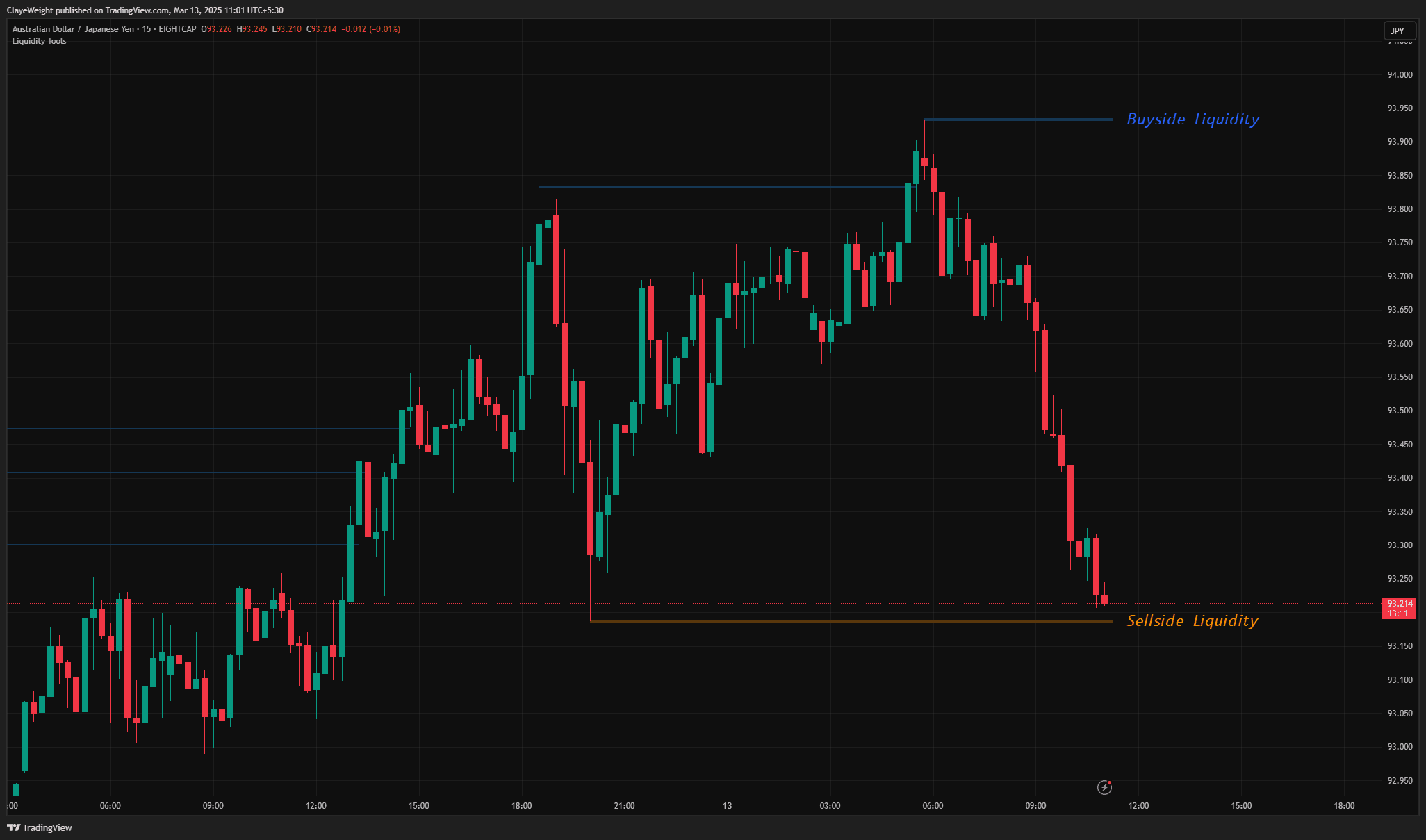
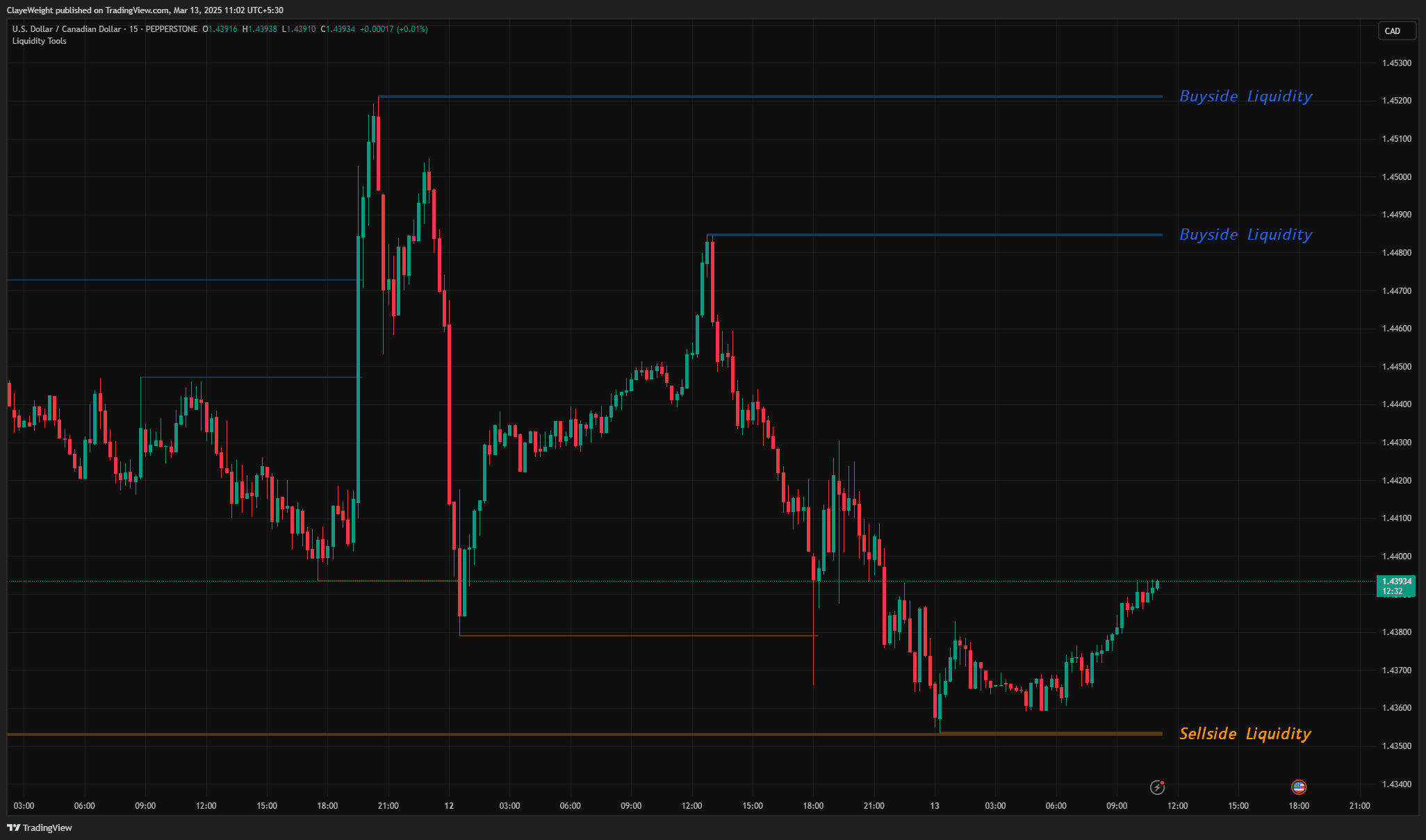
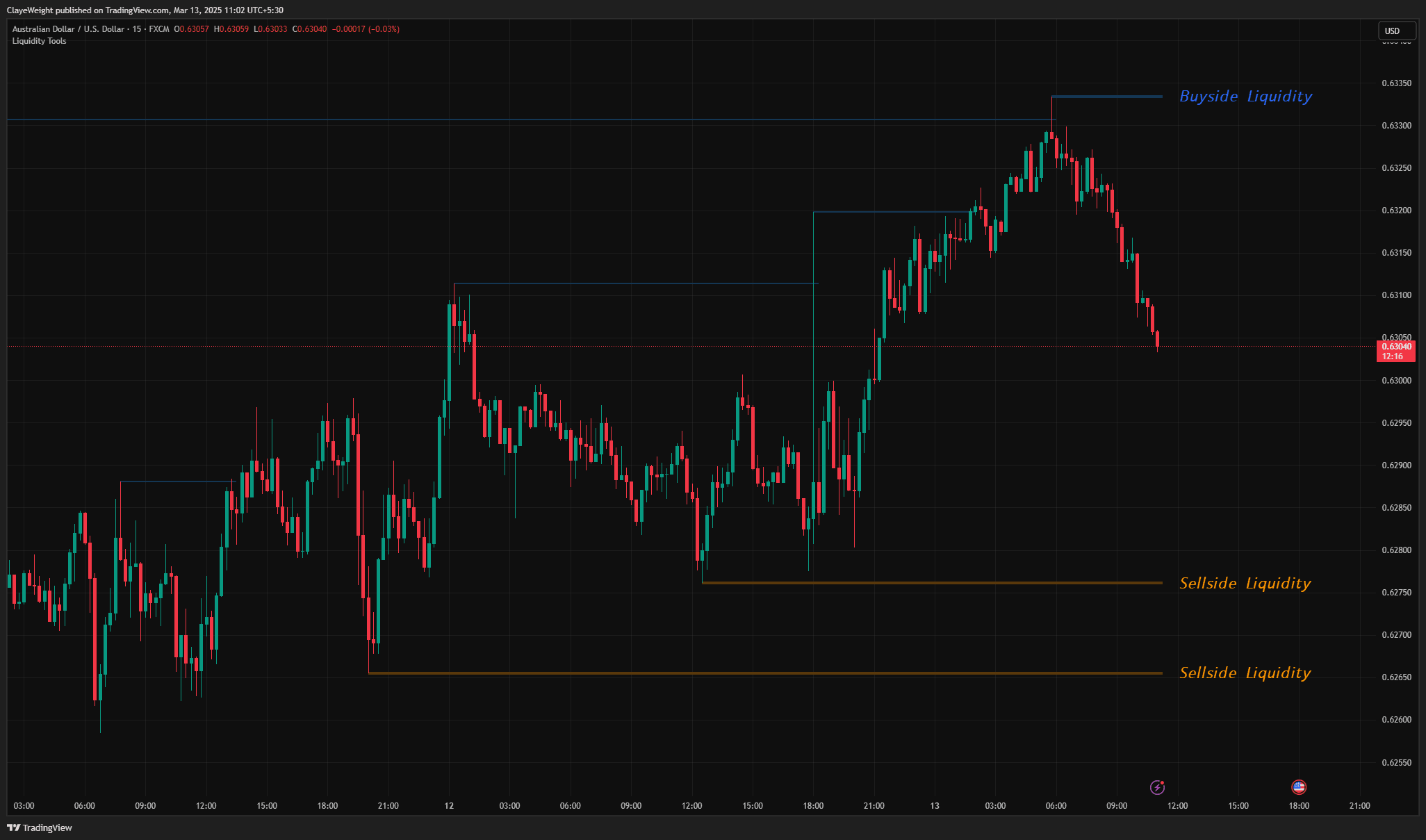
What's Included
How Liquidity Levels works
Liquidity in trading refers to clusters of resting orders, especially stop-loss orders, that sit at obvious price levels. Equal highs and equal lows are prime examples: when price stalls at the same level repeatedly, traders pile stops just beyond it, creating a pool of orders. That pool is fuel, and larger participants often need it filled to execute size.
This is where buy-side and sell-side liquidity come in. Buy-side liquidity rests above highs (where short stops and breakout buys sit) and sell-side liquidity rests below lows (where long stops and breakout sells sit). A liquidity tool maps these levels so you can see where the market is likely to be drawn before it makes its real move.
A sweep or stop hunt is when price spikes through one of these pools, triggers the stops, and then reverses. Recognizing a sweep helps you avoid being the liquidity that gets taken, and it can flag high-quality reversal areas when price grabs liquidity and then reclaims the level in the opposite direction.
When to use it
- Identifying equal highs and equal lows that are likely to attract a sweep before a reversal
- Anticipating where price may be drawn next by mapping the nearest buy-side and sell-side pools
- Avoiding placing your own stops at the most obvious levels where liquidity tends to be hunted
- Confirming a reversal setup when price sweeps a pool and then closes back the other way
When it's not the right tool
- In strong trending expansion where price runs through many pools without reversing at any of them
- As a standalone reversal signal; a sweep needs confirmation, since price can also break and continue
- On illiquid instruments where levels are not widely watched and sweeps behave inconsistently
Source Code Preview
Get the full PineScript v6 source code—use it as a foundation and build on top of it with HorizonAI.
Frequently asked questions
What is buy-side and sell-side liquidity?
Buy-side liquidity sits above highs, where buy orders such as short-sellers' stops and breakout entries rest. Sell-side liquidity sits below lows, where sell orders such as long stops and breakdown entries rest. Price is often drawn toward these pools because filling them lets larger orders get executed.
What is a liquidity sweep or stop hunt?
It is when price pushes just beyond a pool of resting stops, triggers them, and then reverses instead of continuing. The move grabs the liquidity it needed and traps traders who entered on the breakout. A sweep followed by a reclaim of the level is a classic reversal cue, though it still needs confirmation.
Why are equal highs and equal lows important?
Repeated touches at the same level make it obvious, and obvious levels accumulate stops just beyond them. That concentration of orders makes equal highs and equal lows natural liquidity targets. Traders watch them as places price is likely to reach for before turning.
Can I use liquidity levels with structure or order blocks?
Yes, they complement each other well. A sweep of sell-side liquidity into a discount order block, followed by a change of character, is a common confluence setup. Liquidity tells you where the market is headed to grab orders; structure and blocks tell you where to act once it does.
Related Scripts
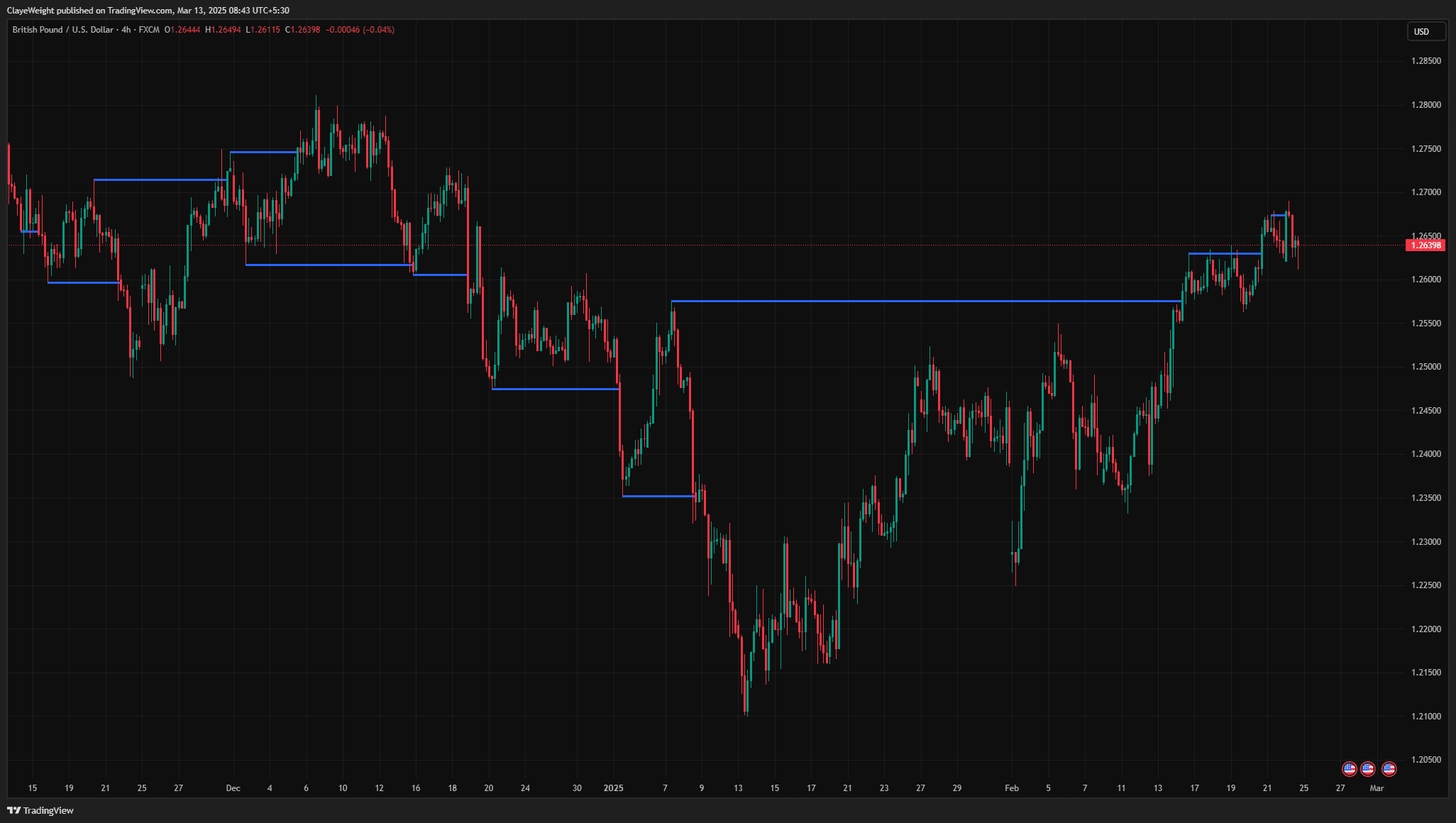 Pro
ProMarket Structure
Automatically maps swing highs and lows with break of structure detection.
 Pro
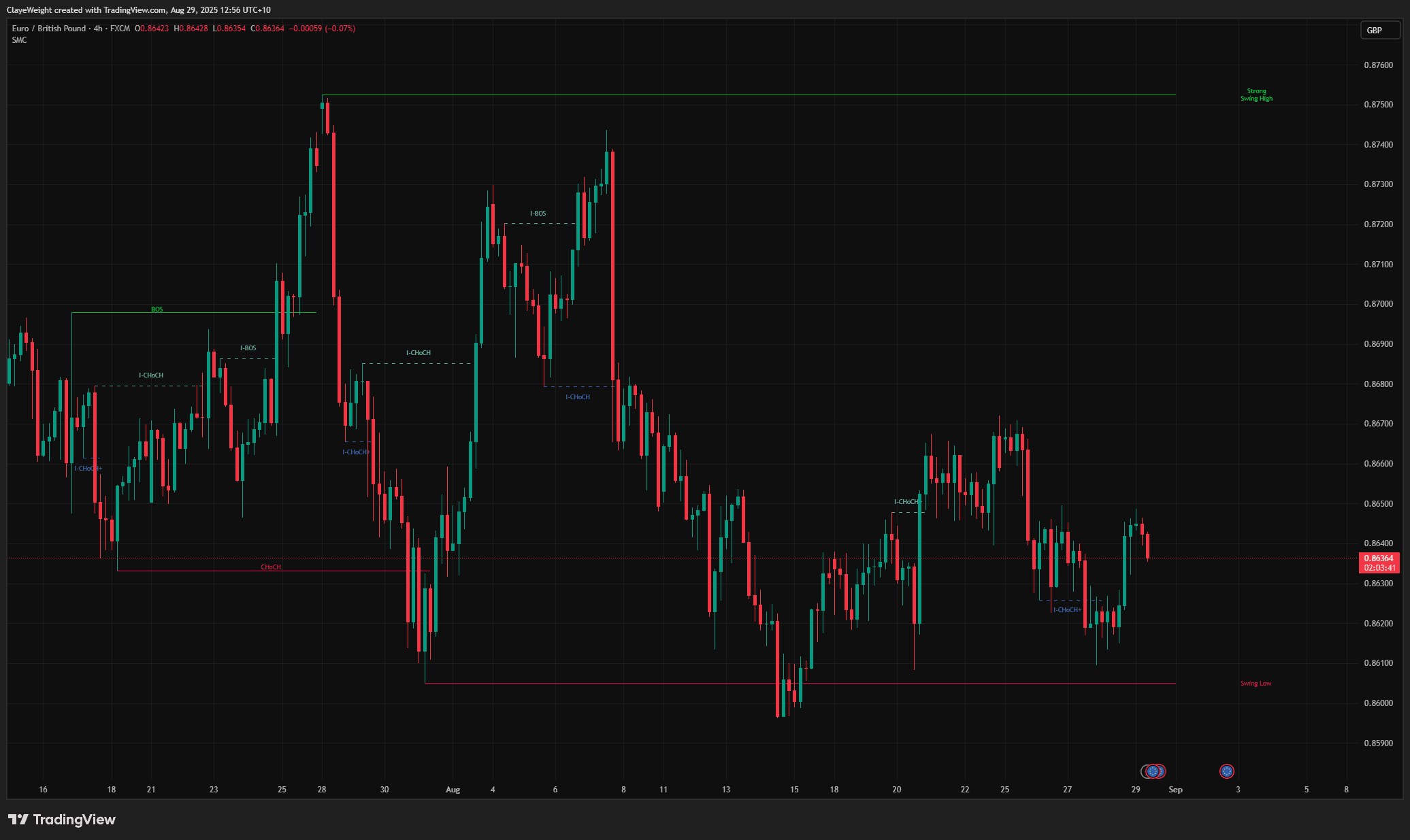
ProSMC Market Structure Pro
Advanced Smart Money Concepts with internal and swing structure mapping.
 Free
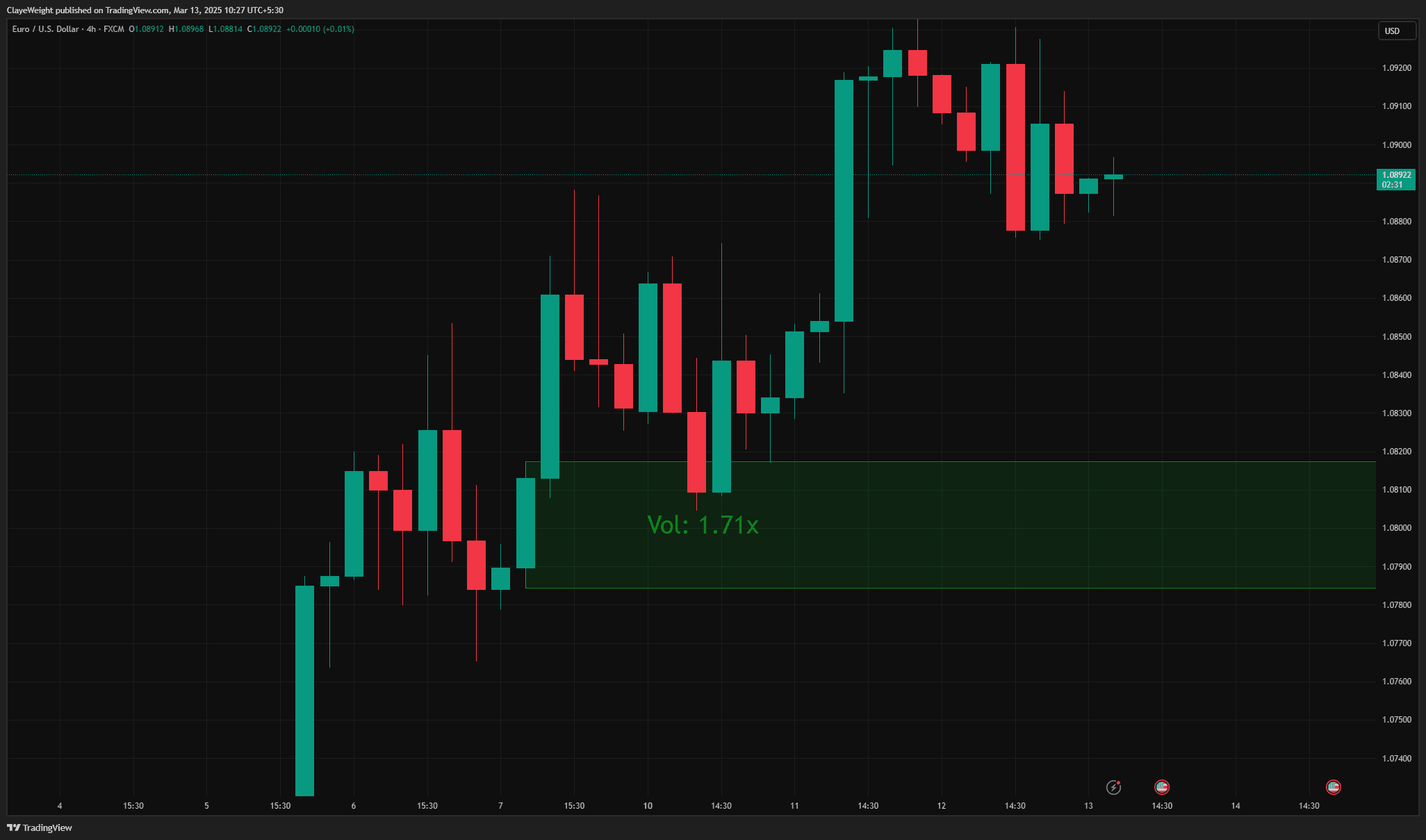
FreeAdvanced Order Blocks with Volume
A professional-grade indicator that combines order block detection with sophisticated volume analysis.
Get access to all 23+ scripts
Full source code, alert templates, and the perfect base to build on with HorizonAI. Join 10,000+ traders.