
Candle Range Theory
Based on ICT's Candle Range Theory. Identifies the Accumulation, Manipulation, and Distribution phases within candle ranges. Know exactly where you are in the market maker cycle.
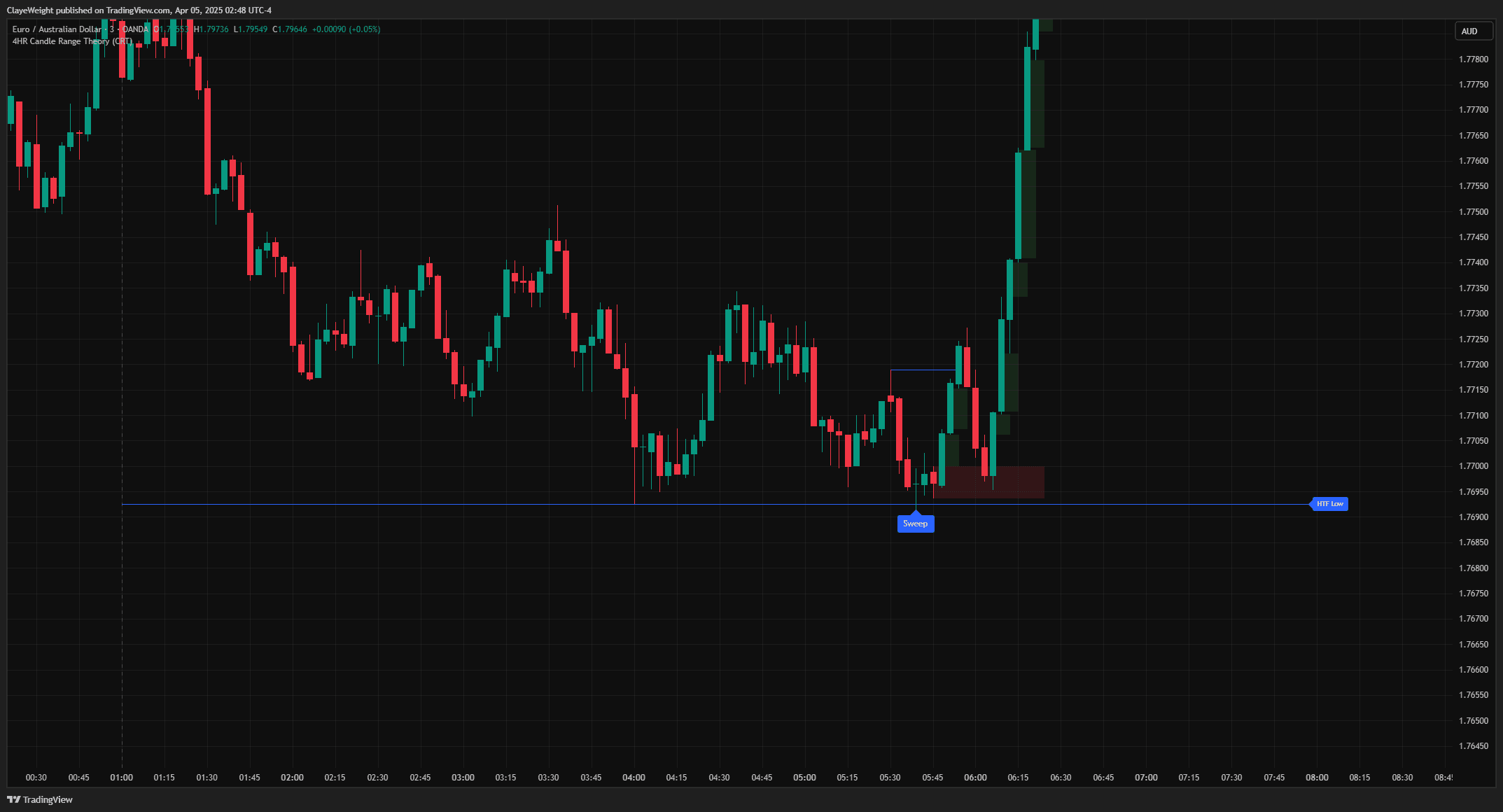
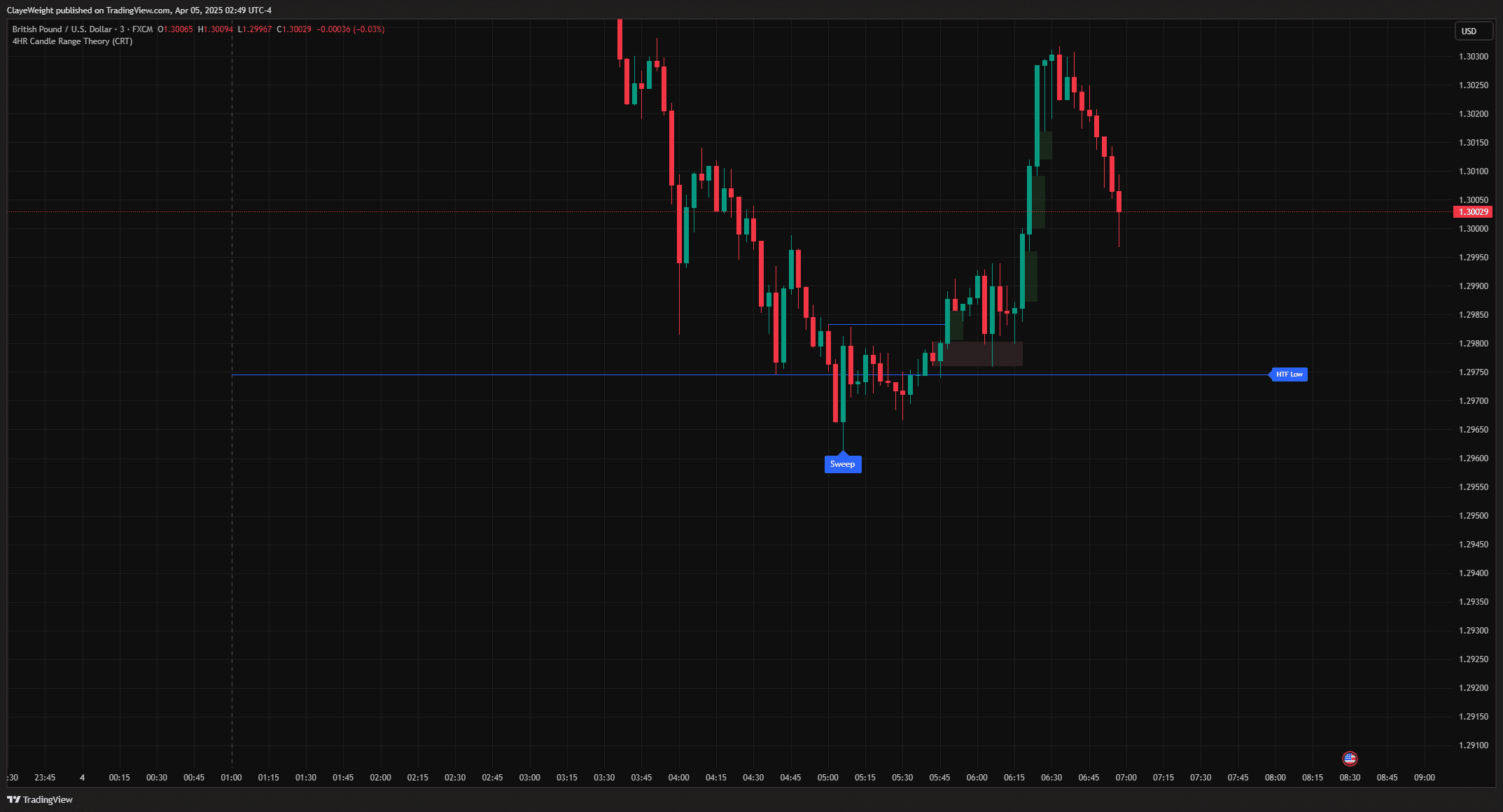
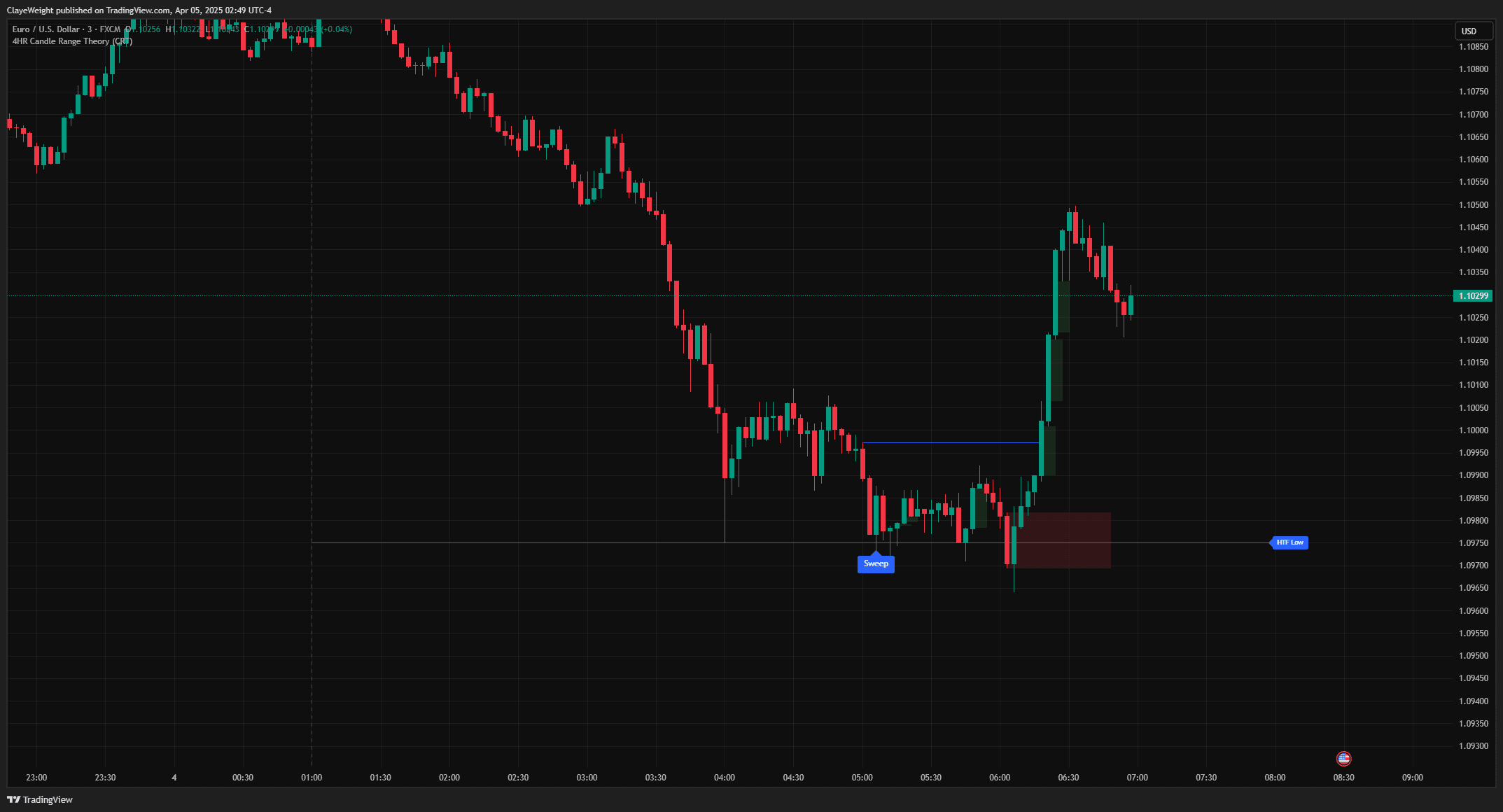
What's Included
How Candle Range Theory works
Candle Range Theory, drawn from ICT concepts, treats an individual candle's range not as a single event but as a compressed cycle of market behaviour. The underlying framework is the market-maker model expressed as Accumulation, Manipulation, Distribution (AMD), sometimes called the power-of-three. Rather than reading a candle as simply bullish or bearish, you interpret the way its range was built to anticipate what the larger players are doing.
In the accumulation phase, price consolidates while positions are quietly built, often near the candle's open. Manipulation is the deliberate false move, a sweep in the wrong direction that raids liquidity and traps traders on the incorrect side. Distribution is the real, sustained move that unfolds afterward in the intended direction. Mapping a candle or a session onto this cycle helps you expect the fake-out before the genuine expansion rather than reacting to it after the fact.
The practical use is timing and bias. If you can recognise that a range is likely still in its manipulation phase, you avoid chasing the trap and instead position for the distribution leg. It reframes a candle from a static bar into a small story of intent, though like all discretionary models it requires confirmation and can misread.
When to use it
- Anticipating a manipulation sweep before the genuine distribution move on a higher-timeframe candle or session.
- Framing daily or session bias using the Accumulation, Manipulation, Distribution sequence.
- Avoiding entries during the manipulation phase where liquidity grabs trap traders on the wrong side.
- Combining with liquidity and structure reads to time entries into the distribution leg.
When it's not the right tool
- Low-participation periods where there is no meaningful accumulation or manipulation to read.
- As a precise mechanical trigger; AMD is a conceptual model that demands discretionary confirmation.
- On extremely low timeframes where noise makes the phases ambiguous and easy to misidentify.
Source Code Preview
Get the full PineScript v6 source code—use it as a foundation and build on top of it with HorizonAI.
Frequently asked questions
What does AMD stand for in Candle Range Theory?
AMD is Accumulation, Manipulation, Distribution, the three phases of the market-maker model. Accumulation is quiet position-building, manipulation is a deliberate false move that raids liquidity, and distribution is the genuine trend leg that follows. Candle Range Theory applies this cycle to how a candle's range is formed.
How is the manipulation phase useful to me?
Recognising manipulation helps you avoid being trapped by the fake-out that precedes the real move. Instead of chasing the sweep, you wait and look to position for the distribution leg in the intended direction. It is a bias and timing aid, not a signal that guarantees the reversal.
Is this the same as ICT's power-of-three?
It is closely related. The power-of-three describes the same accumulation, manipulation, and distribution sequence within a candle or session. Candle Range Theory frames a single candle's range through that lens. Both are discretionary concepts, so combine them with your own confirmation and risk control.
Related Scripts
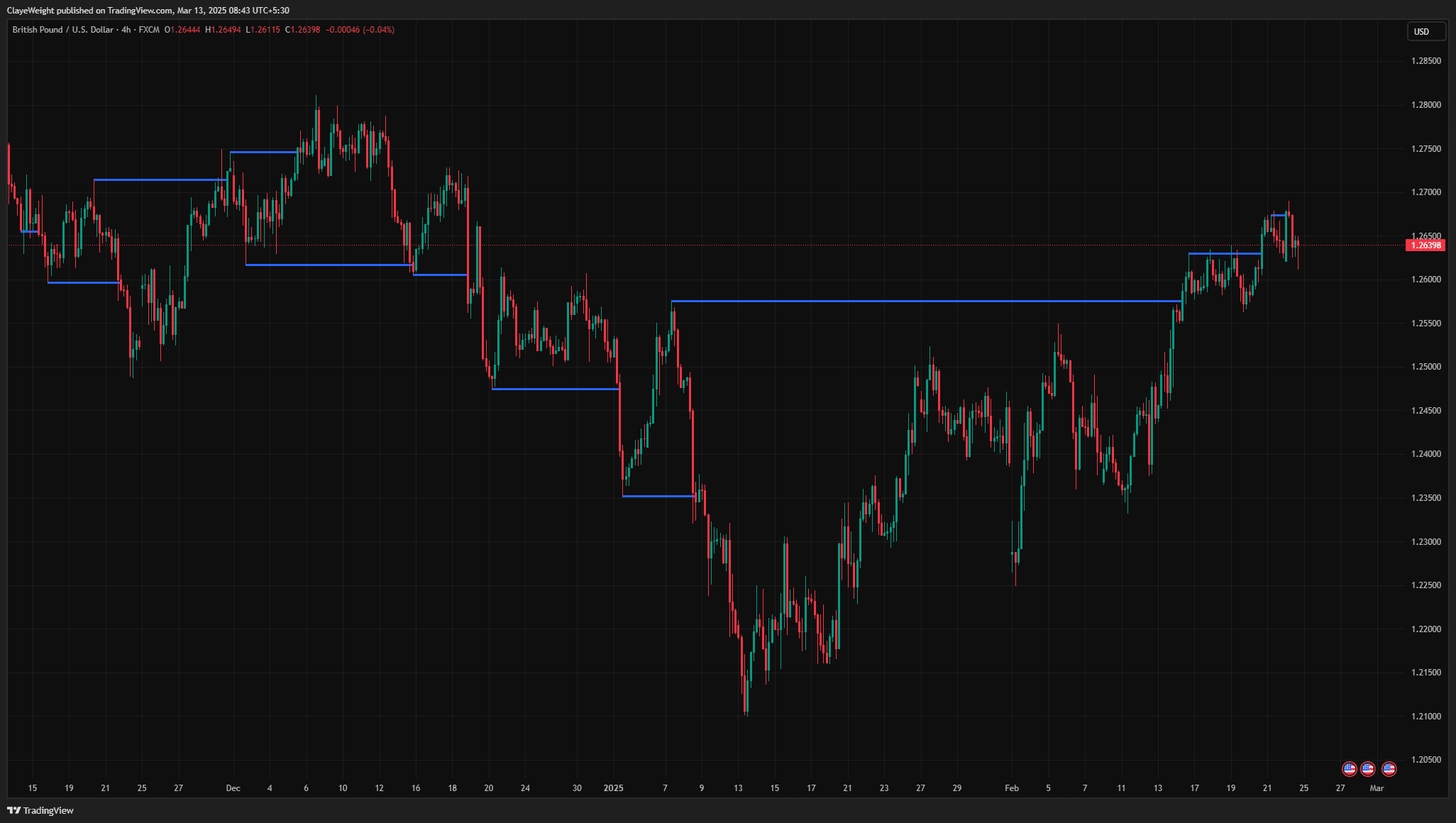 Pro
ProMarket Structure
Automatically maps swing highs and lows with break of structure detection.
 Pro
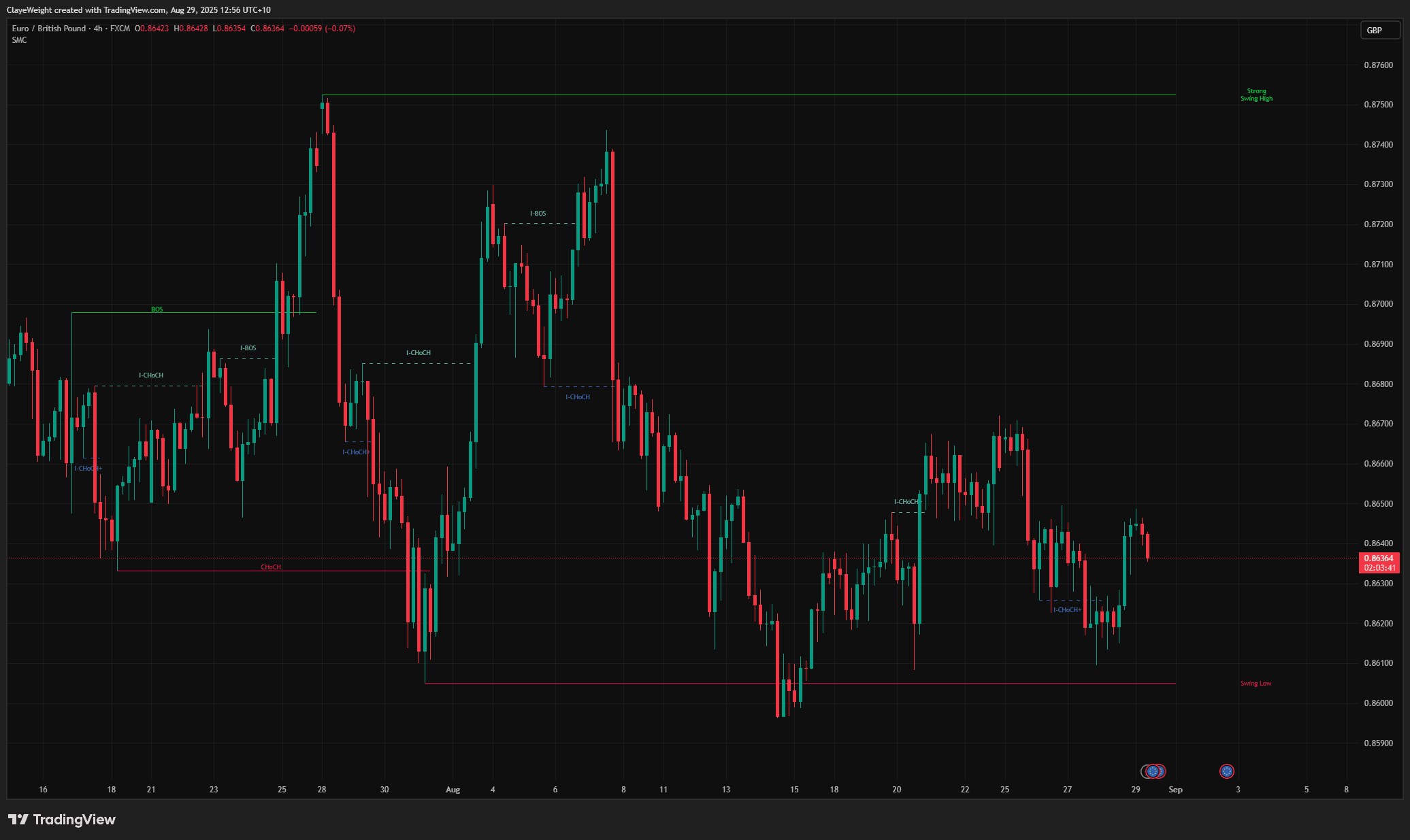
ProSMC Market Structure Pro
Advanced Smart Money Concepts with internal and swing structure mapping.
 Free
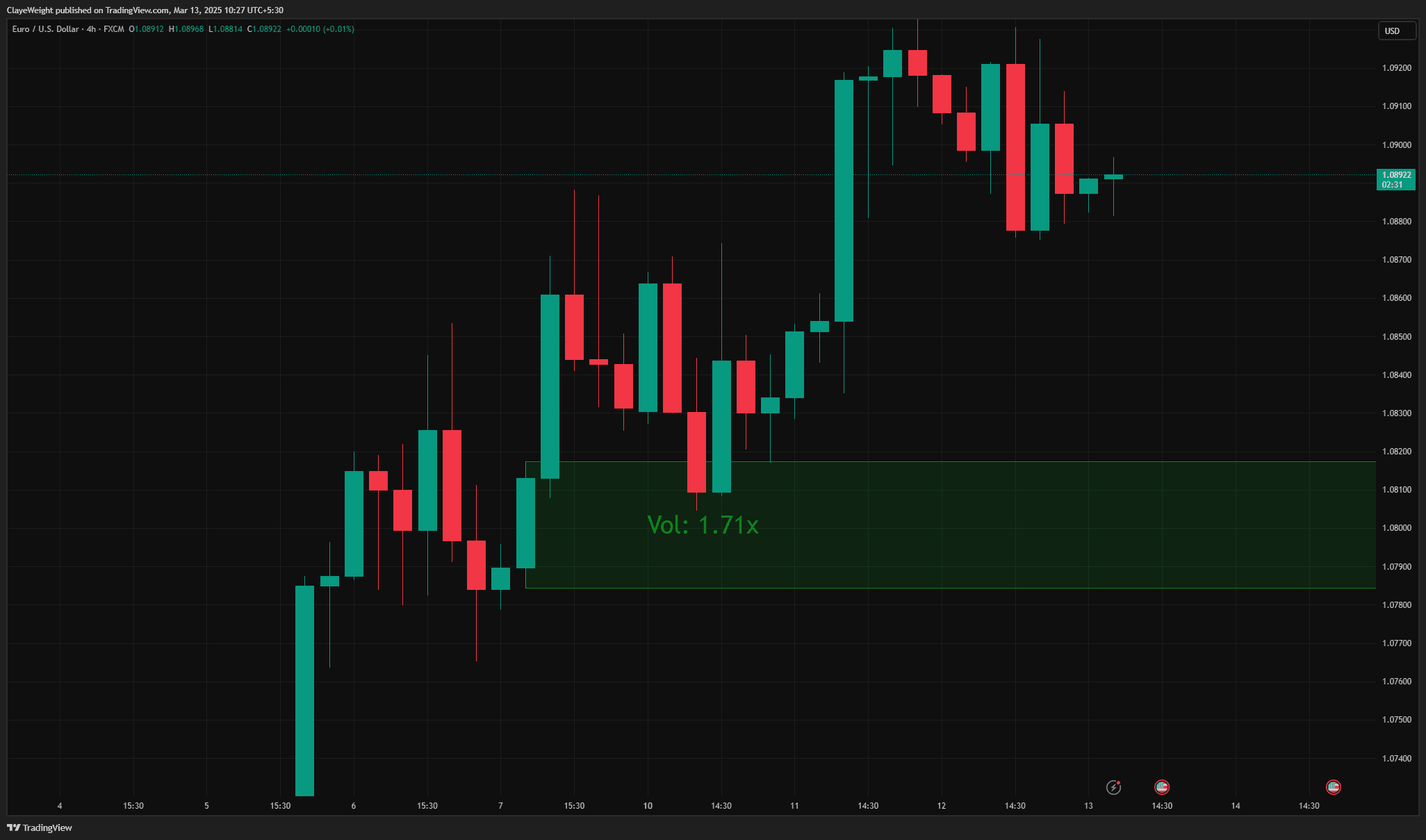
FreeAdvanced Order Blocks with Volume
A professional-grade indicator that combines order block detection with sophisticated volume analysis.
Get access to all 23+ scripts
Full source code, alert templates, and the perfect base to build on with HorizonAI. Join 10,000+ traders.