
SMC Structure + Order Blocks
Everything you need for Smart Money Concepts trading in one indicator. Maps market structure, detects order blocks, and shows their relationship. Order blocks are contextualized within the structure for higher probability setups.
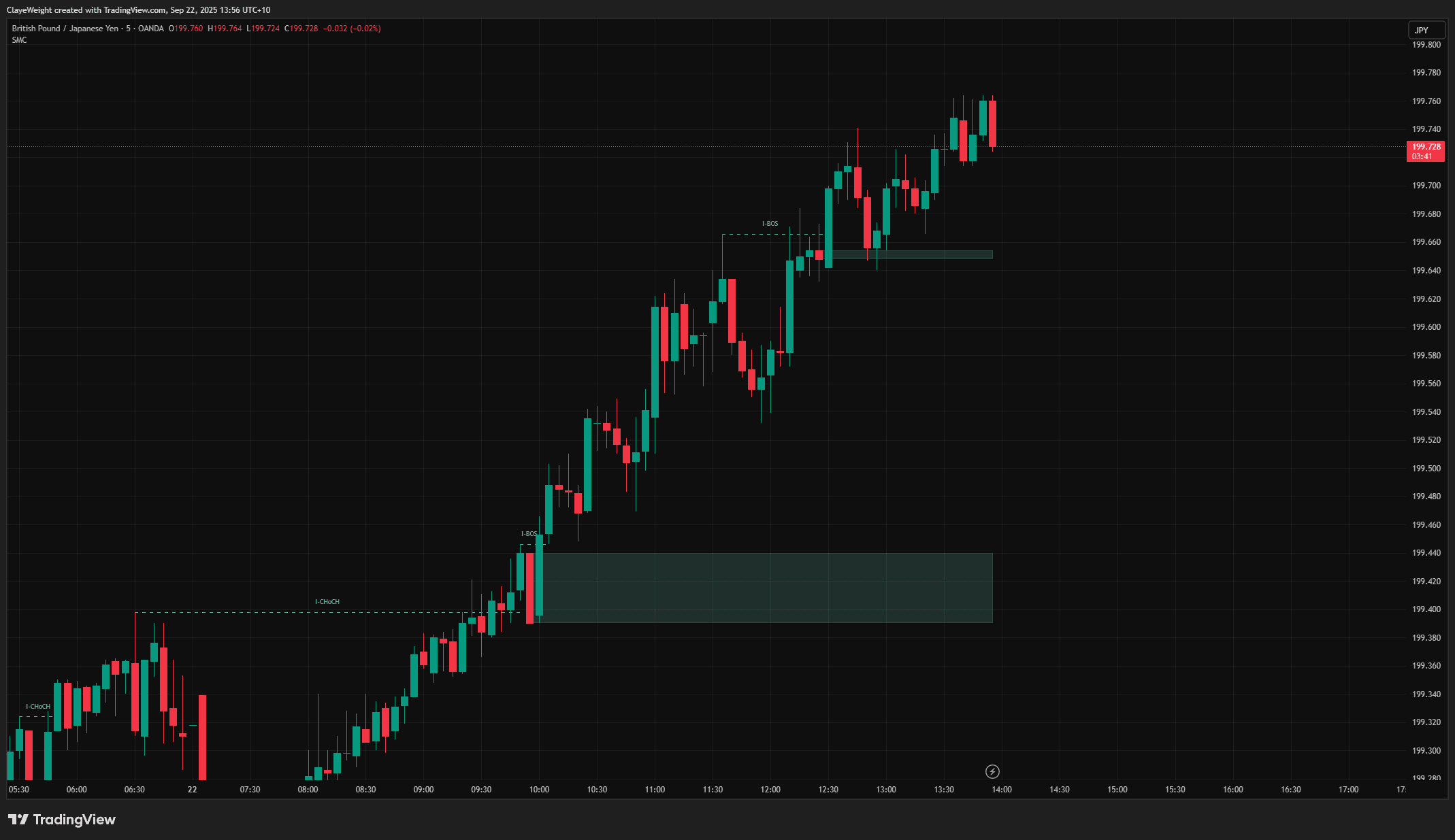
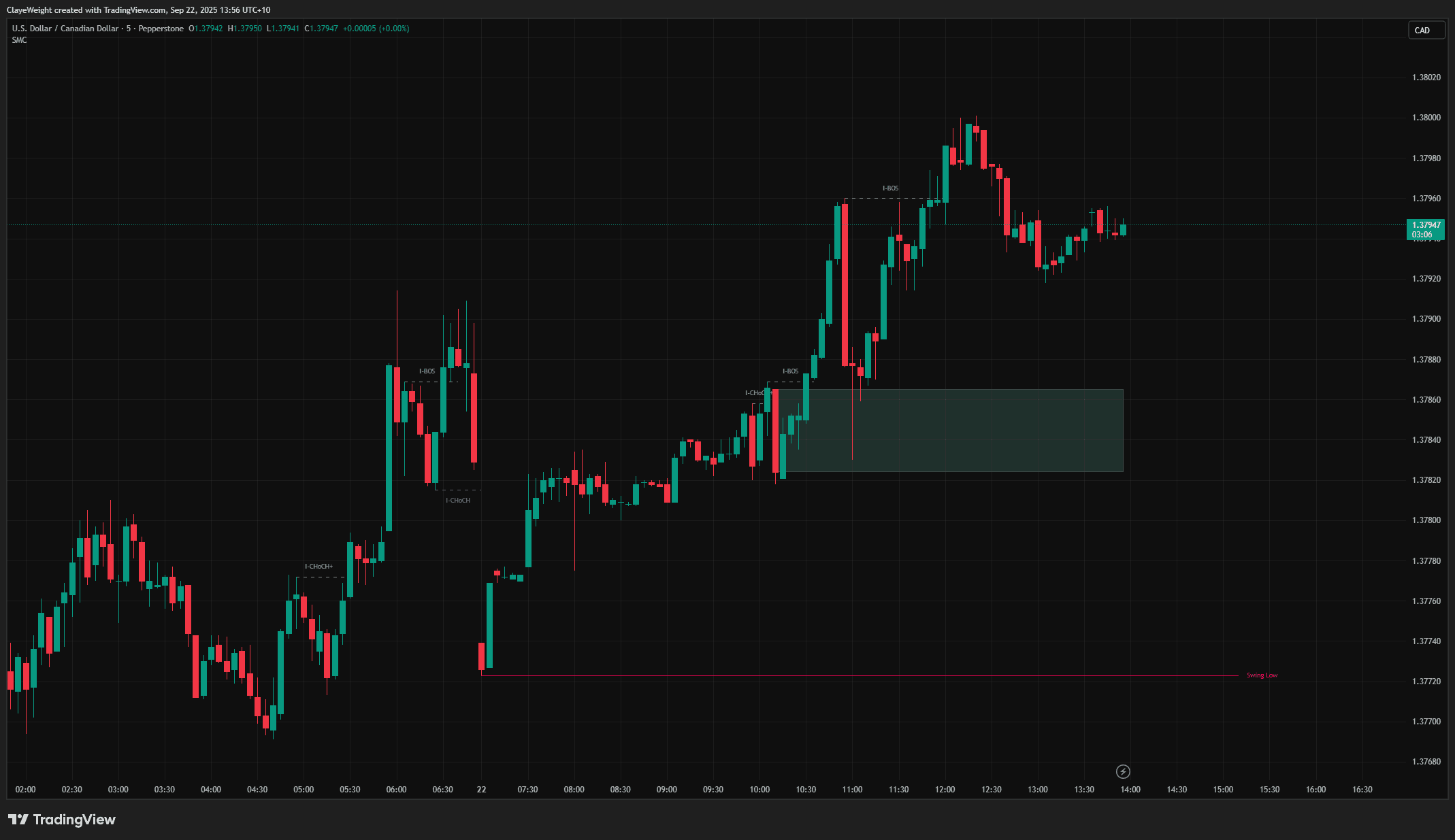
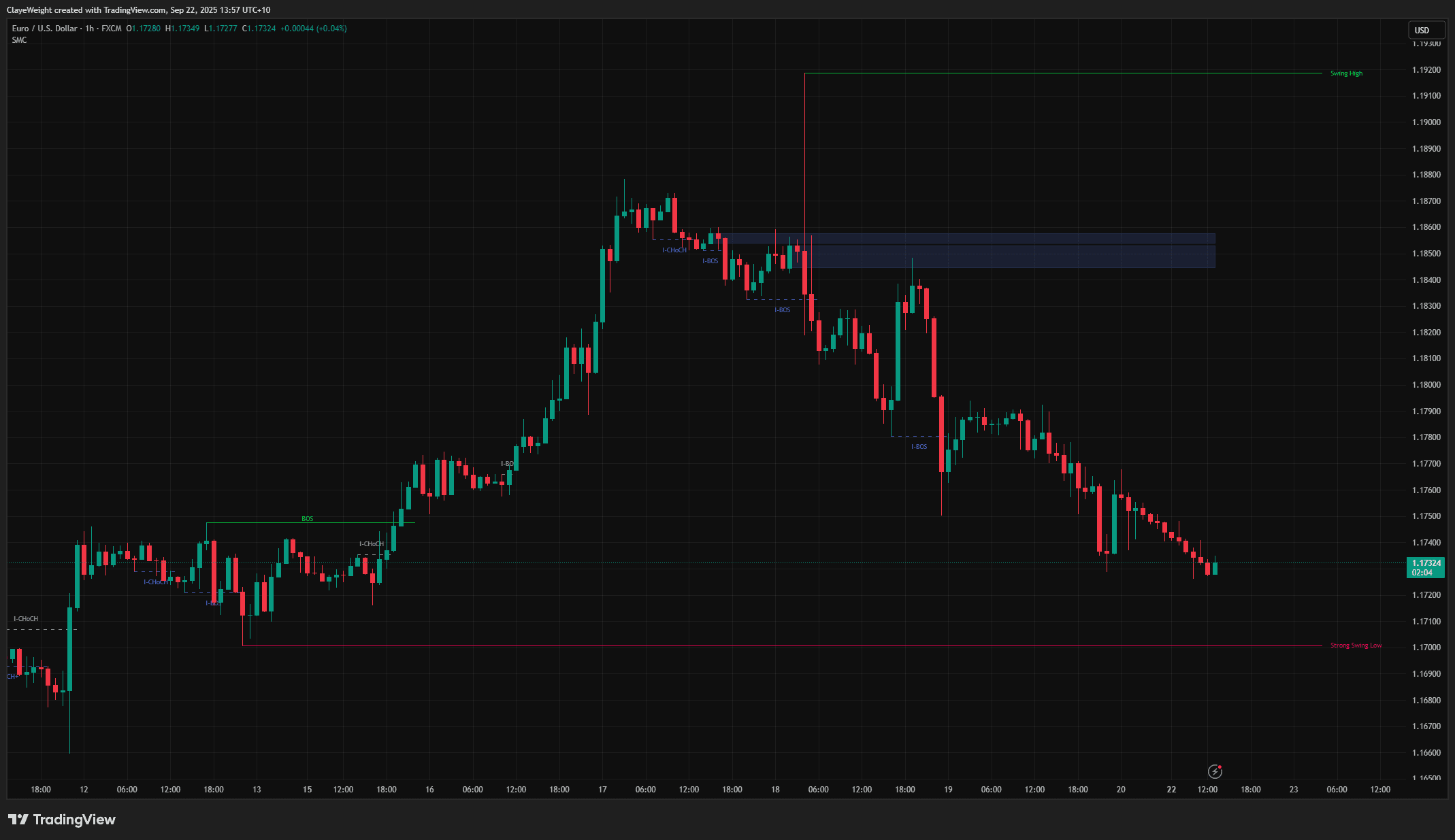
What's Included
How SMC Structure + Order Blocks works
Order blocks are among the most-cited ideas in Smart Money Concepts, but an order block read in isolation is only half the picture. The other half is market structure: whether the market is making higher highs and higher lows, lower highs and lower lows, or has just shifted. An order block only tells you a useful story once you know the structural context it sits inside.
An order block is broadly the last opposing candle or zone before a strong, imbalanced move that breaks structure, marking an area where significant orders were likely placed. Traders watch for price to return to that zone and react. The quality of that reaction depends heavily on alignment: a bullish order block that forms within a bullish structure, after a break of structure to the upside, is a far higher-probability zone than a bullish order block fighting an established downtrend.
Mapping structure and order blocks together lets you grade setups rather than trade every zone. You look for order blocks that agree with the prevailing trend and that formed at a genuine structural shift, and you treat counter-structure blocks with more caution. This context-first approach is what separates a considered SMC read from simply drawing boxes on a chart.
When to use it
- Grading order blocks by whether they align with the prevailing market structure before considering an entry.
- Entering on a retrace into an order block that formed at a genuine break of structure in the trend direction.
- Defining tight invalidation, since a clean order block gives a logical level beyond which the idea is wrong.
- Filtering out counter-trend zones that look tempting but fight the higher-timeframe structure.
When it's not the right tool
- Ranging or structureless markets where 'the trend' is undefined and order blocks lack context.
- Trading every order block mechanically without checking structural alignment first.
- High-impact news windows, when zones are frequently violated by volatility rather than intent.
Source Code Preview
Get the full PineScript v6 source code—use it as a foundation and build on top of it with HorizonAI.
Frequently asked questions
What exactly is an order block?
In SMC terms it is broadly the last opposing candle or zone before a strong, imbalanced move that breaks market structure, seen as an area where notable orders were placed. Traders anticipate a reaction if price revisits it. The concept is discretionary and interpretations vary between practitioners.
Why does market structure matter so much for order blocks?
Because the same zone means different things in different contexts. A bullish order block inside a bullish structure aligns with momentum and is higher probability, while the same-looking block against a downtrend often fails. Reading structure first keeps you from trading zones that fight the trend.
Do order blocks always hold when price returns?
No. Order blocks are areas of interest, not certainties, and plenty get broken. Aligning them with structure improves the odds but removes no risk. Always define where the idea is invalidated and manage the trade accordingly, since nothing here is financial advice.
Related Scripts
 Pro
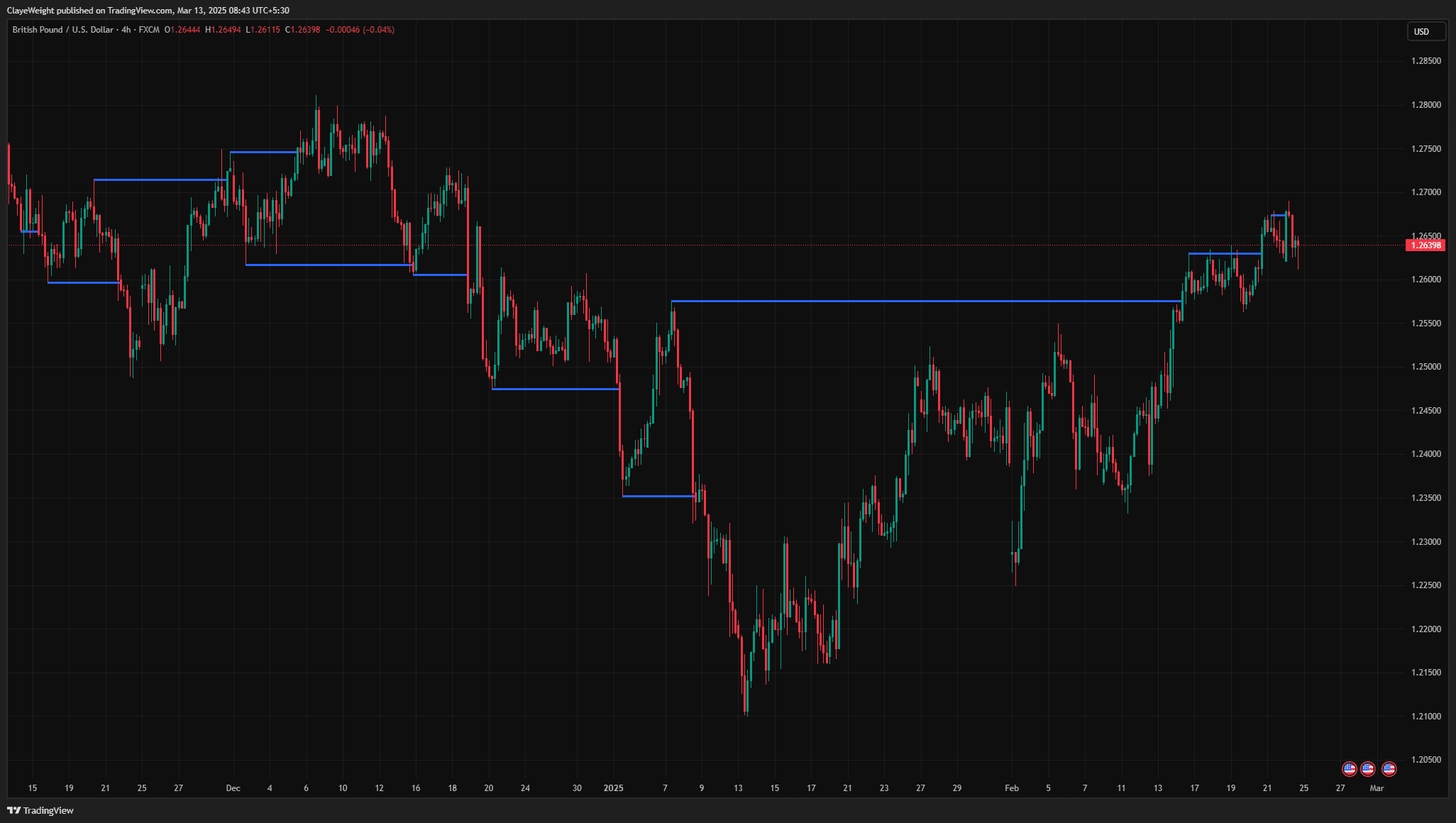
ProMarket Structure
Automatically maps swing highs and lows with break of structure detection.
 Pro
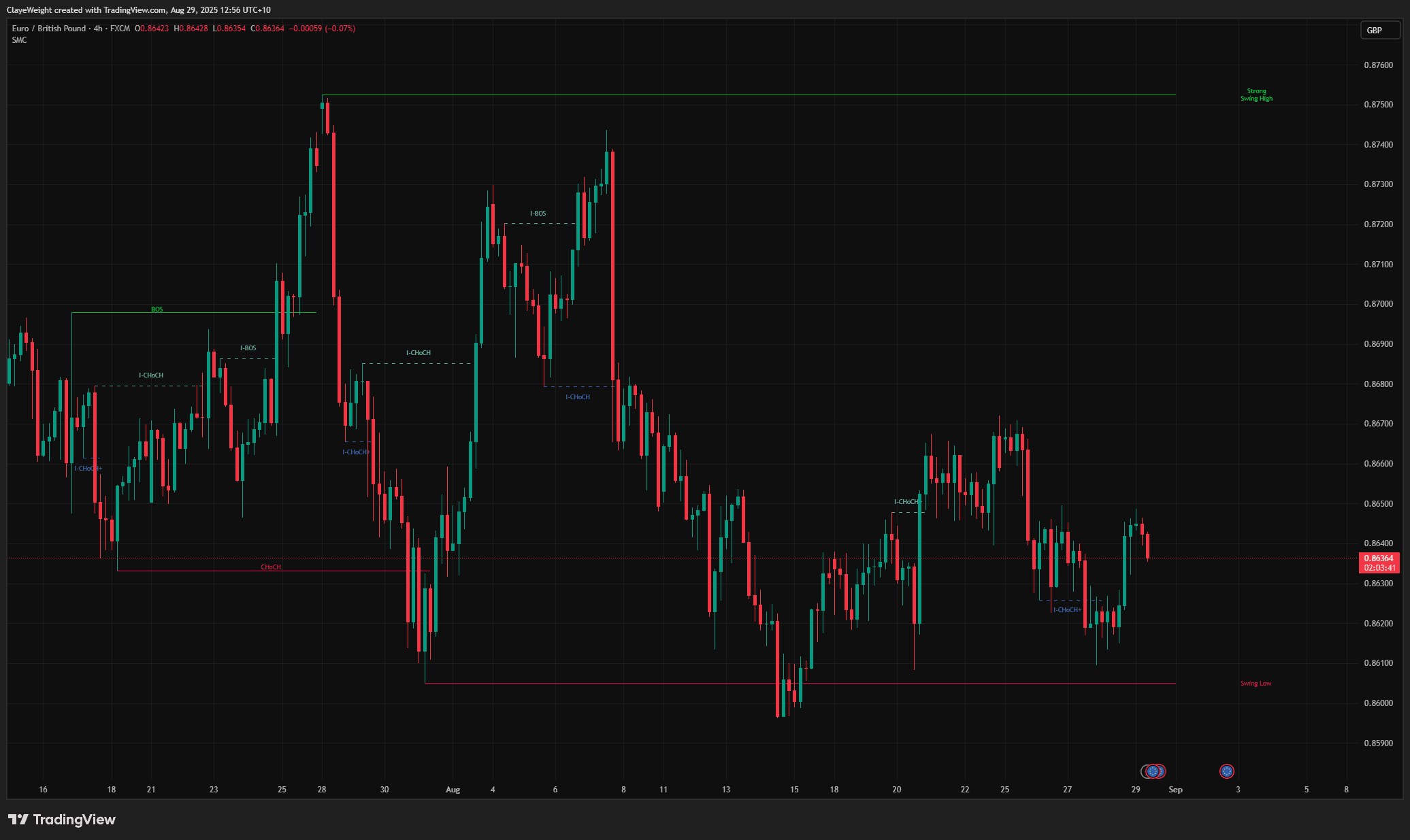
ProSMC Market Structure Pro
Advanced Smart Money Concepts with internal and swing structure mapping.
 Free
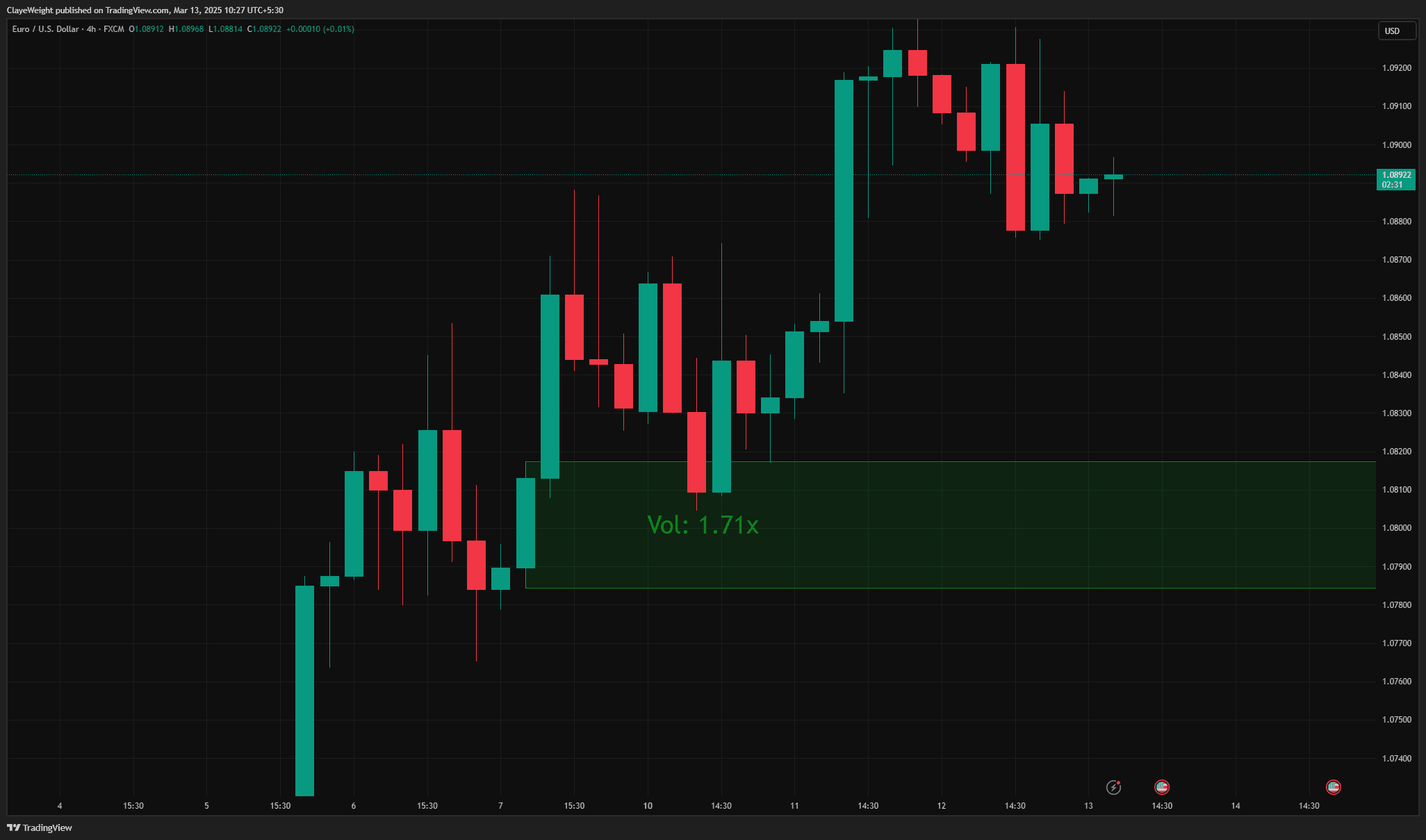
FreeAdvanced Order Blocks with Volume
A professional-grade indicator that combines order block detection with sophisticated volume analysis.
Get access to all 23+ scripts
Full source code, alert templates, and the perfect base to build on with HorizonAI. Join 10,000+ traders.