
SMC + Volume Profile
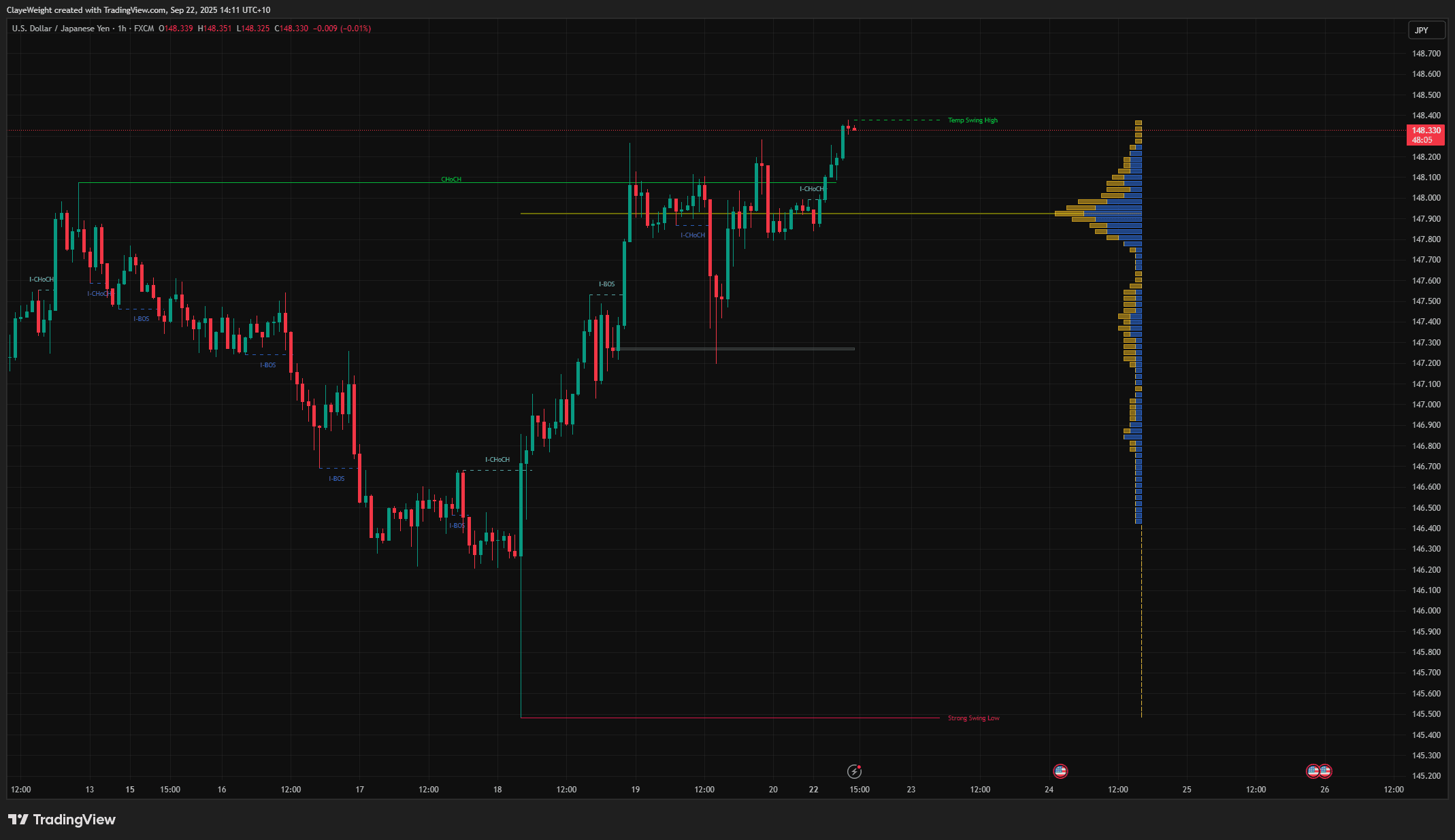
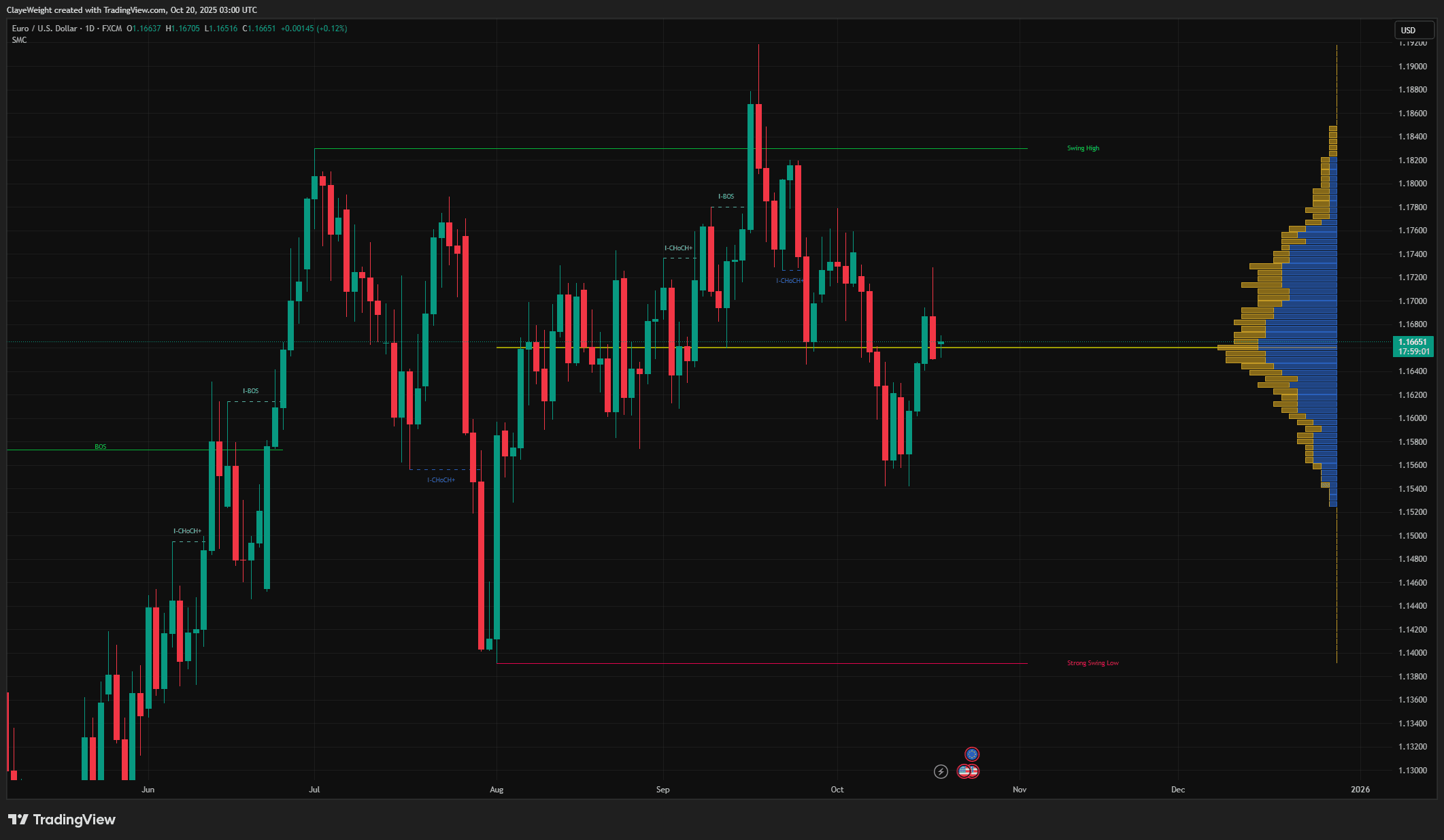
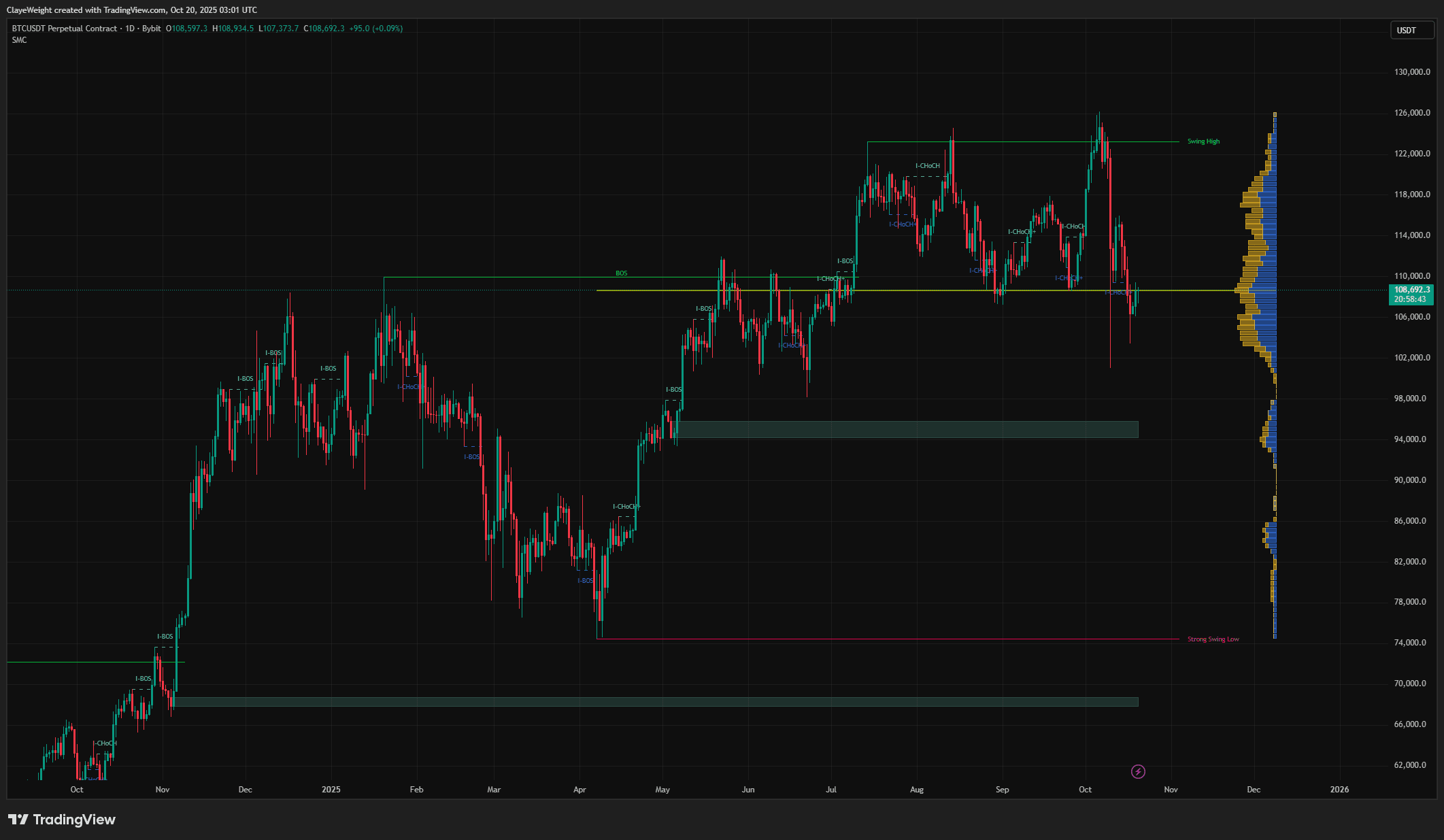
The ultimate confluence tool. Combines SMC structure analysis with volume profile to identify high-probability zones. When structure zones align with high volume nodes, you have institutional-level confluence.
What's Included
How SMC + Volume Profile works
Smart Money Concepts (SMC) reads a chart through structure: shifts in trend, order blocks, fair-value gaps, and the liquidity that price hunts. Volume profile approaches it from a different angle, plotting how much volume traded at each price rather than over time. Where SMC tells you where structurally significant zones sit, volume profile tells you where real participation and acceptance occurred. Combining the two turns two independent forms of evidence into confluence.
The key volume-profile references are the Point of Control (POC), the single price with the most traded volume; the value area, the range where the bulk of volume changed hands; and high-volume nodes, prices that acted as magnets, versus low-volume nodes that price tends to move through quickly. When an SMC order block or structural zone lines up with a POC or a high-volume node, that area carries agreement from both models and becomes a higher-confluence decision point.
Traders use these overlaps to prioritise setups. A structural level with no volume behind it is weaker than one sitting on heavy prior participation, and low-volume gaps between nodes can flag where price is likely to travel fast toward the next high-volume shelf. The combination sharpens both entries and targets.
When to use it
- Identifying high-conviction zones where an SMC structural level overlaps a Point of Control or high-volume node.
- Setting realistic targets by reading low-volume gaps price tends to travel through toward the next volume shelf.
- Filtering SMC setups to keep only those backed by meaningful prior participation.
- Judging whether a value-area edge aligns with an order block or liquidity zone for confluence.
When it's not the right tool
- Thinly traded instruments or sessions where volume data is sparse and the profile is unreliable.
- Fast breakout conditions where price rejects prior acceptance and old nodes lose relevance.
- As a mechanical system; both SMC and volume profile require discretionary reading and confirmation.
Source Code Preview
Get the full PineScript v6 source code—use it as a foundation and build on top of it with HorizonAI.
Frequently asked questions
What does the Point of Control actually tell me?
The POC is the price where the most volume traded over the period you are profiling, marking the area of greatest acceptance and agreement. Price often returns to it, so it acts as a magnet and a reference for balance. When it coincides with an SMC structural zone, that level has agreement from both models.
Why combine SMC with volume profile instead of using one?
They measure different things: SMC describes structure and intent, volume profile describes where participation actually occurred. A structural zone backed by heavy volume is more trustworthy than one drawn on thin trade. Confluence between the two filters out weaker setups.
Does the profile need to reset each session?
It depends on your style. Session or daily profiles suit intraday traders, while composite profiles over weeks suit swing traders looking at longer-term acceptance. Neither guarantees a reaction; volume profile shows where interest has been, not where price must go.
Related Scripts
 Pro
ProMarket Structure
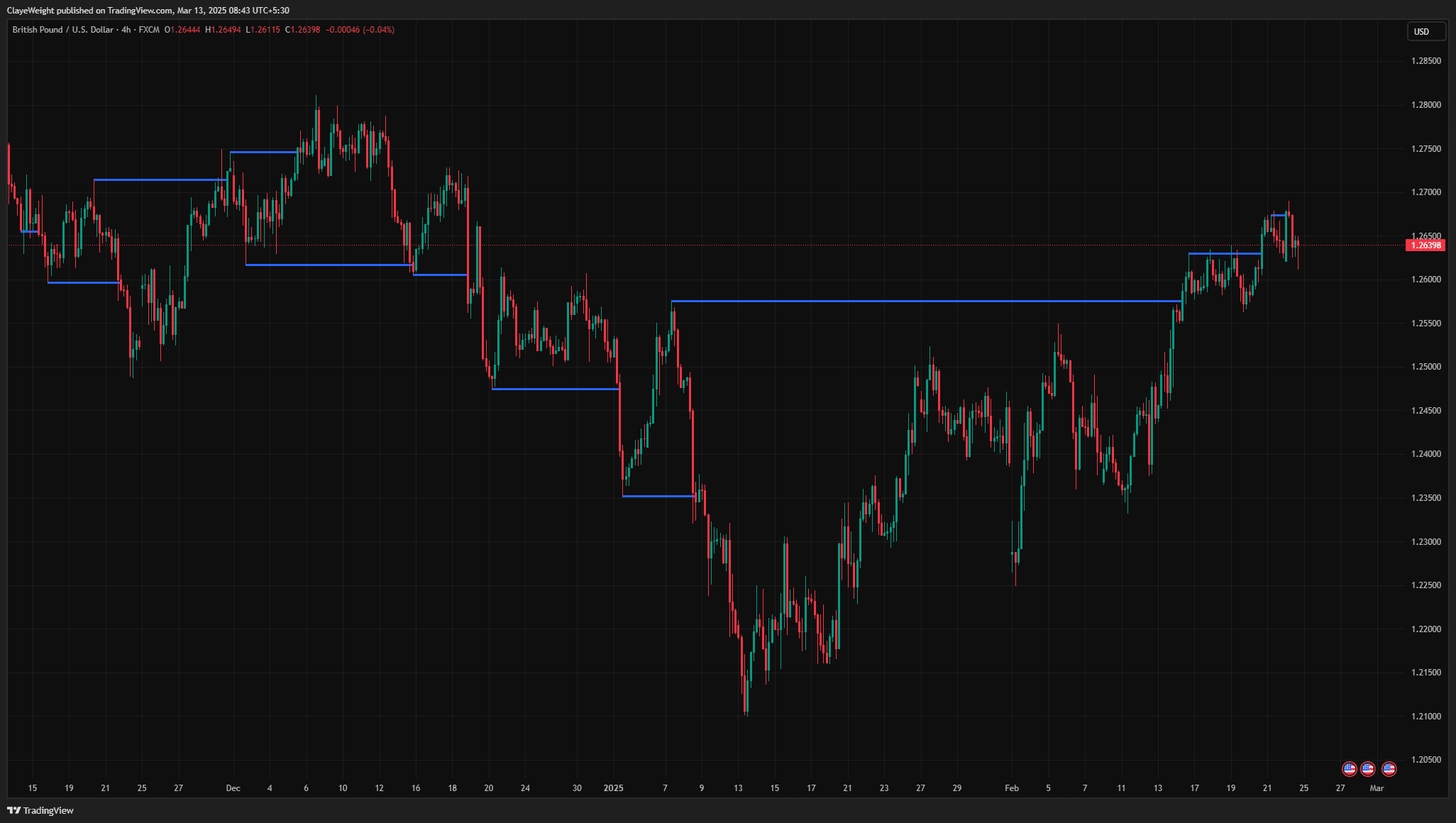
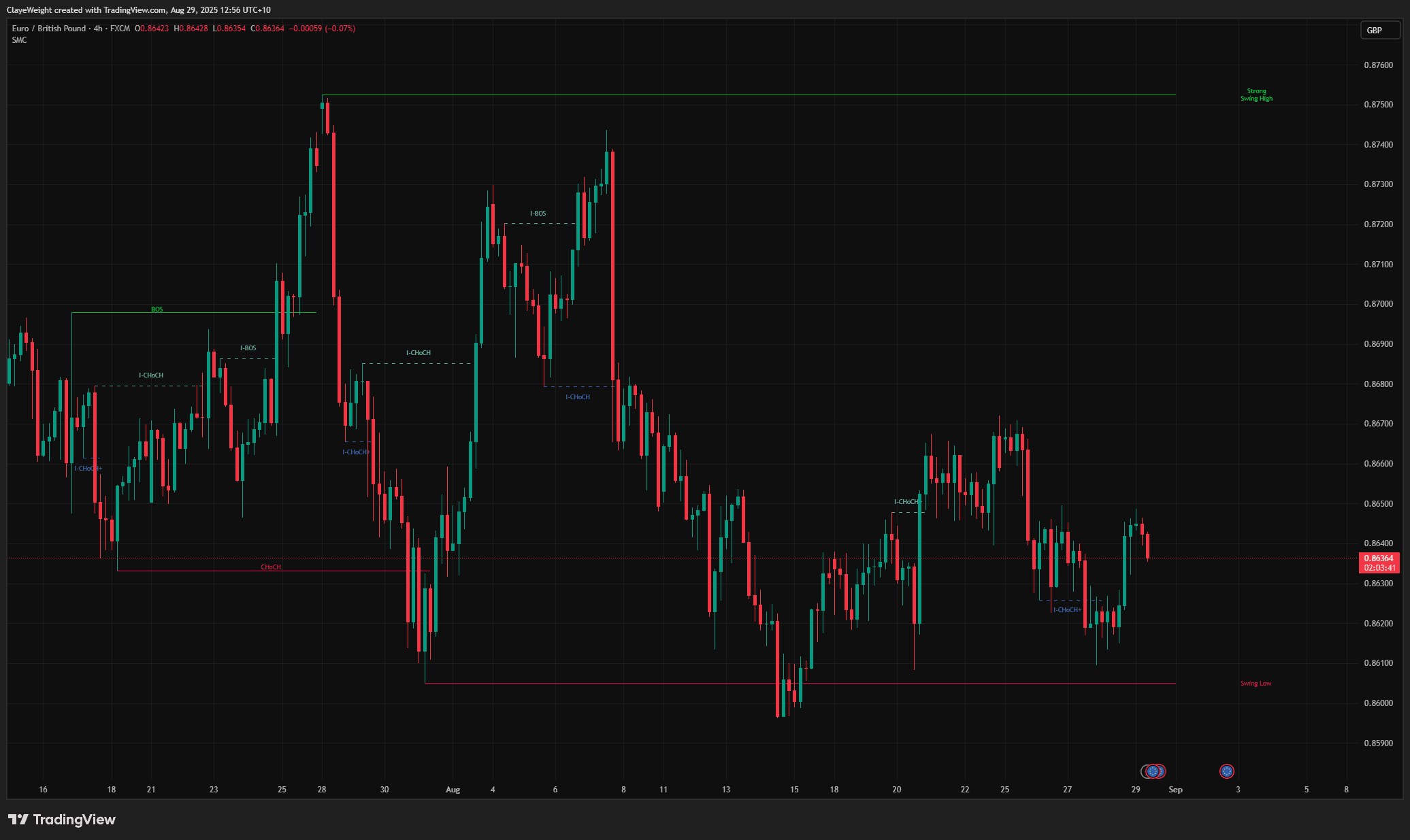
Automatically maps swing highs and lows with break of structure detection.
 Pro
ProSMC Market Structure Pro
Advanced Smart Money Concepts with internal and swing structure mapping.
 Free
FreeAdvanced Order Blocks with Volume
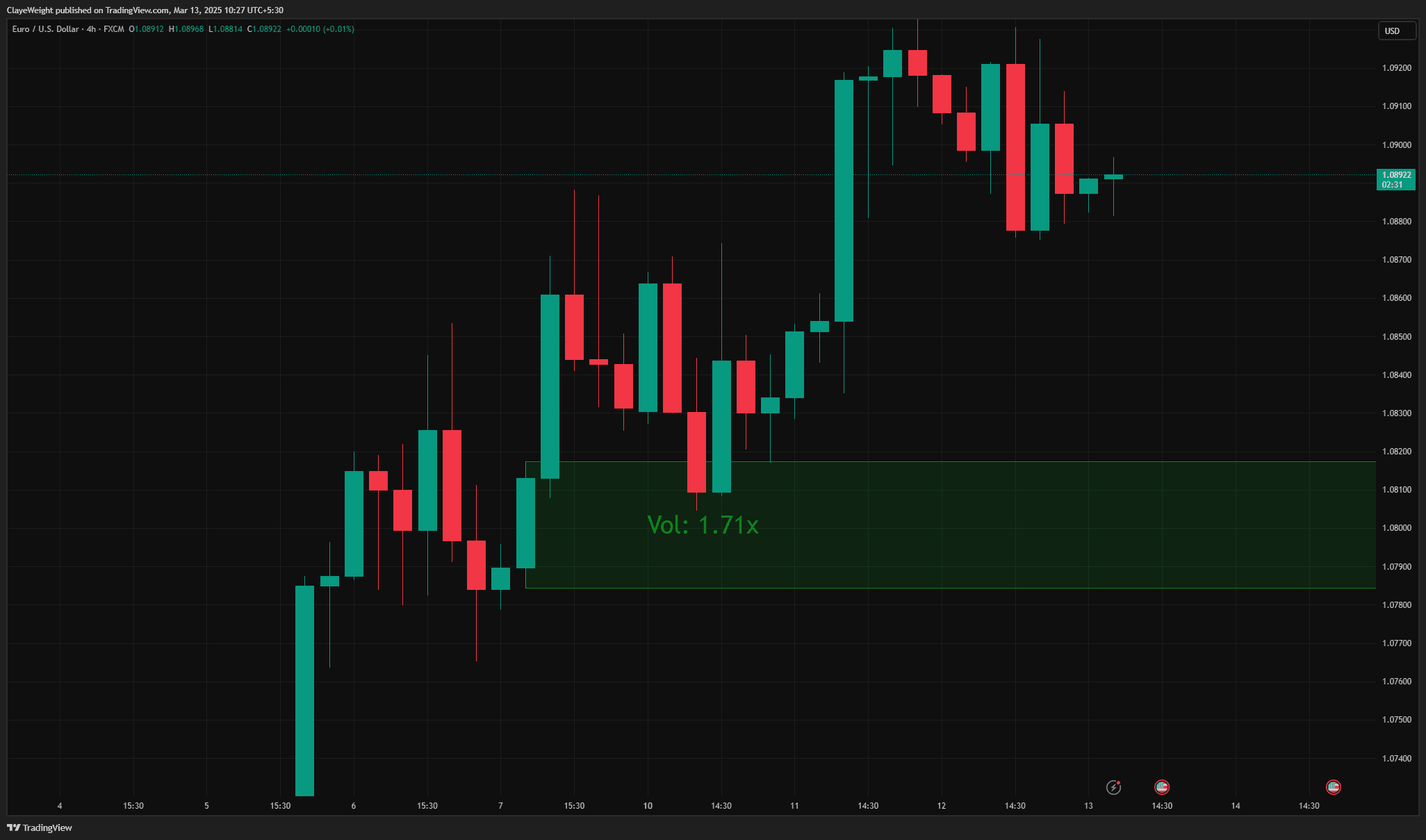
A professional-grade indicator that combines order block detection with sophisticated volume analysis.
Get access to all 23+ scripts
Full source code, alert templates, and the perfect base to build on with HorizonAI. Join 10,000+ traders.