
SMT Divergence
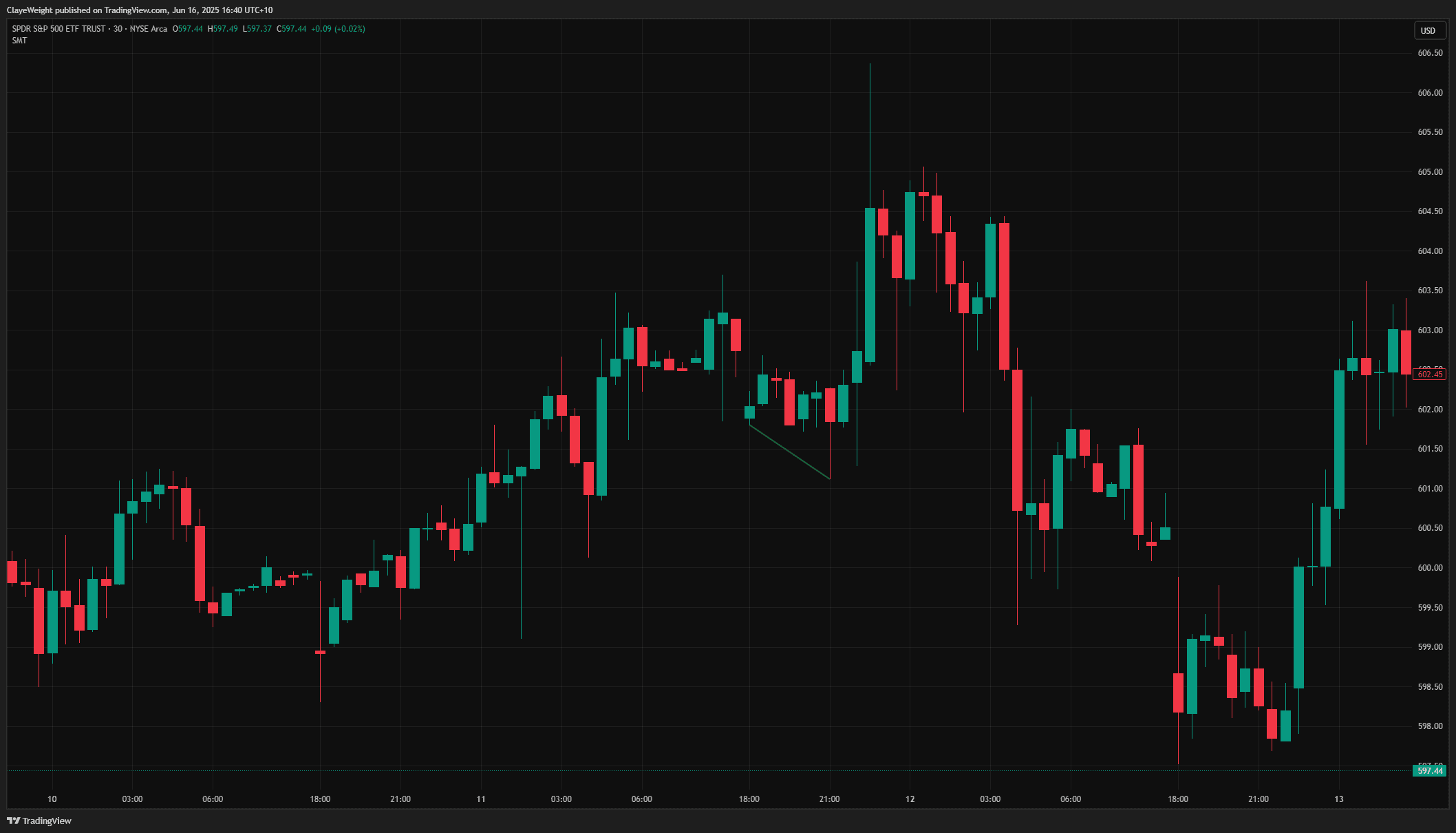
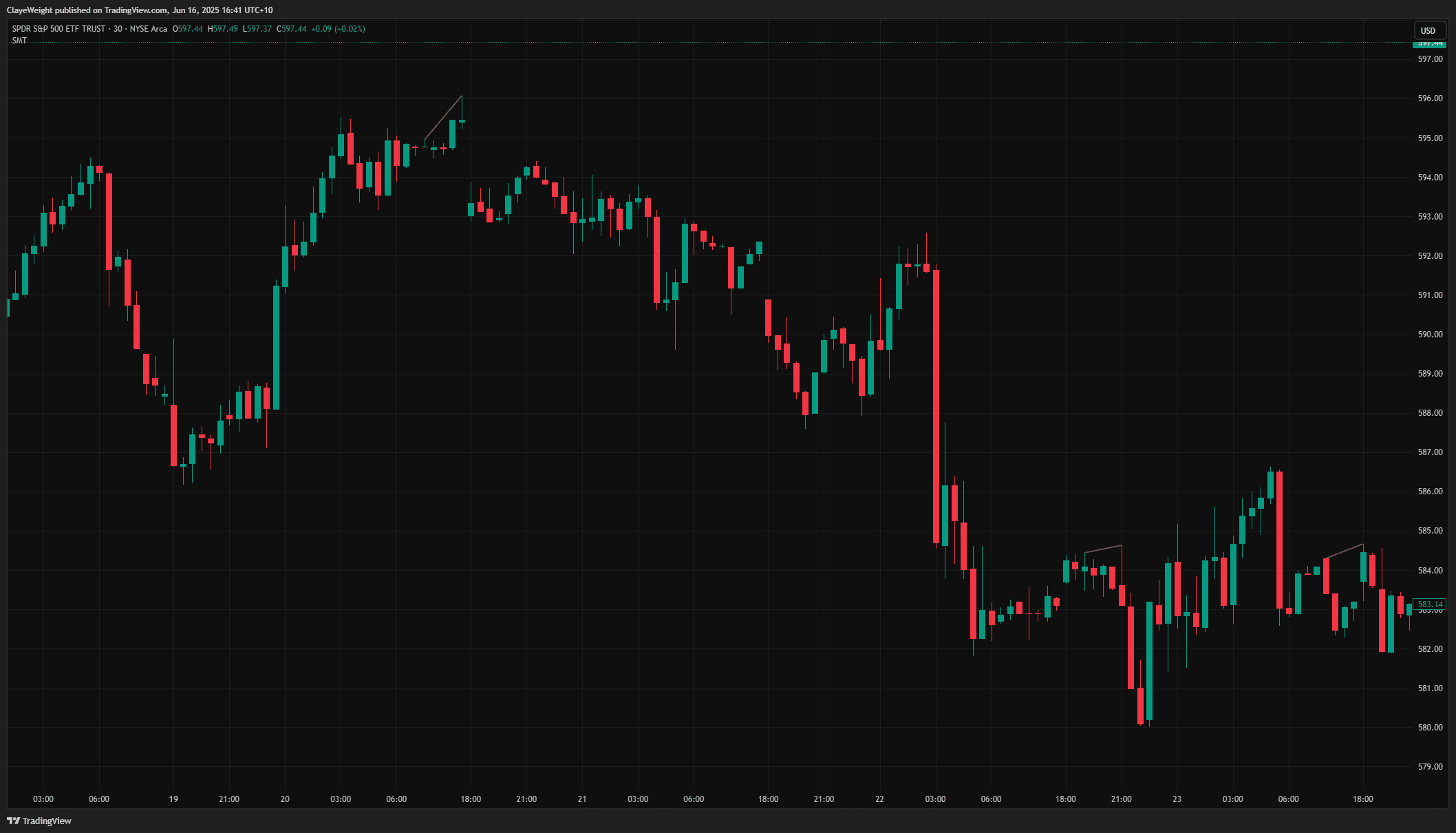
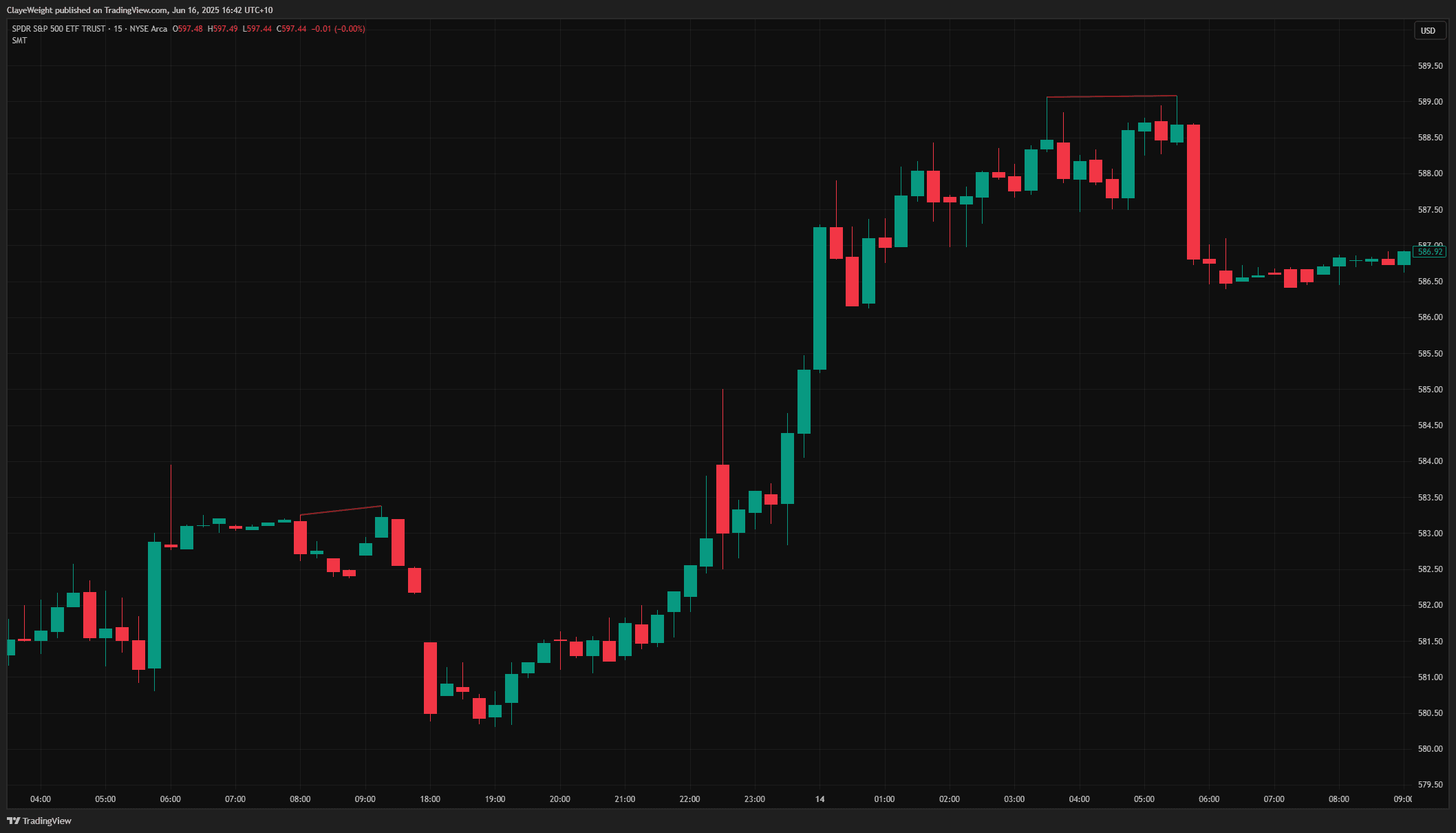
Detects divergence between correlated assets (like ES/NQ or EUR/GBP) to identify smart money accumulation and distribution. When one asset makes a new high but the correlated asset doesn't confirm, smart money is likely positioning for a reversal.
What's Included
How SMT Divergence works
SMT (Smart Money Technique) divergence compares two closely correlated instruments that normally move together, such as index futures ES and NQ, or currency pairs like EURUSD and GBPUSD. When both are healthy they tend to make new highs and new lows in sync. The technique watches for moments when that agreement breaks.
A divergence occurs when one instrument makes a new high or low but its correlated partner fails to confirm by making a matching new extreme. For example, if one index prints a higher high while the other makes a lower high, the second is showing weakness that the first is hiding. That non-confirmation is read as a sign the move may be running out of genuine participation.
Because the signal comes from two markets disagreeing rather than a single oscillator, many traders view SMT as a cleaner form of divergence. It is especially watched at liquidity sweeps and key session times, where a failure to confirm a new high or low can precede a reversal in both instruments.
When to use it
- Timing potential reversals when correlated assets stop confirming each other's highs or lows
- Adding conviction to a liquidity sweep when only one instrument takes out its level and the other does not
- Cross-checking a single-market setup against its correlated pair before committing
- Watching key session opens where institutional activity often produces the clearest divergences
When it's not the right tool
- When the two instruments are not genuinely correlated, since divergence between unrelated assets is meaningless
- During correlation breakdowns driven by asset-specific news, where a divergence reflects a real fundamental split
- As a lone trigger; SMT flags a condition, not an entry, and still needs structure or confirmation
Source Code Preview
Get the full PineScript v6 source code—use it as a foundation and build on top of it with HorizonAI.
Frequently asked questions
What is SMT divergence?
SMT divergence is a non-confirmation between two correlated markets. When one makes a new high or low and the other fails to match it, the disagreement suggests the move lacks broad participation and may reverse. It uses the relationship between two instruments instead of a single indicator to spot weakness.
Which asset pairs work for SMT?
Any reliably correlated pair works, such as ES and NQ among index futures, or EURUSD and GBPUSD among currencies. The key is a genuine, stable correlation, because the technique depends on the two normally moving together. If correlation is weak or has broken down, the signal loses meaning.
Is SMT divergence more reliable than regular divergence?
Many traders prefer it because it reflects two real markets disagreeing rather than a derived oscillator lagging price. That said, it is still a context signal, not a guarantee, and divergences can persist longer than expected. Combine it with structure, liquidity and your own risk management.
Can I pair SMT with liquidity or structure tools?
Absolutely, that is where it shines. SMT at a liquidity sweep, confirmed by a change of character, is a well-known confluence. The divergence tells you participation is thinning; structure and liquidity tell you where and when to act. With HorizonAI you can adapt which correlated symbol is compared.
Related Scripts
 Pro
ProMarket Structure
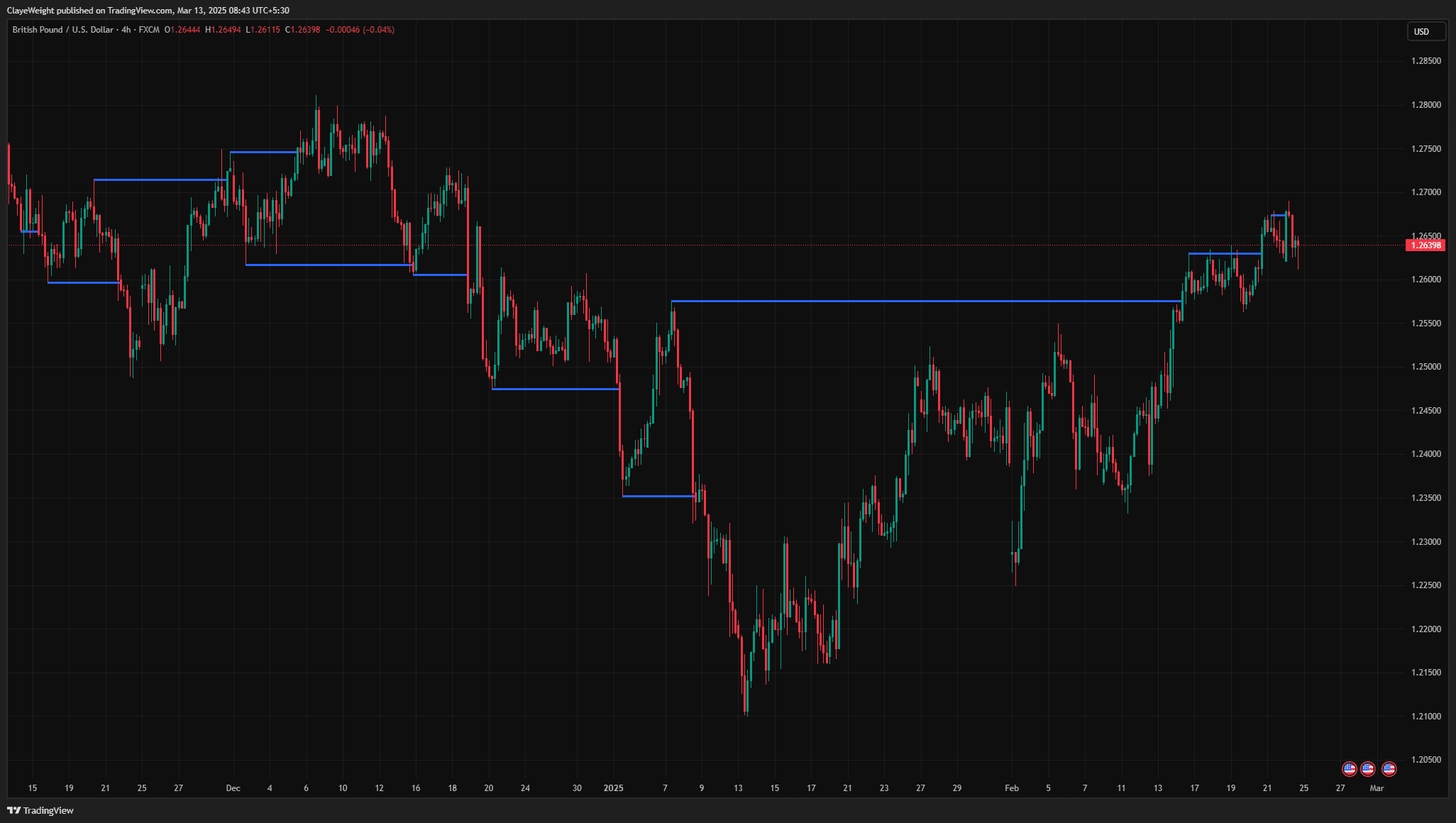
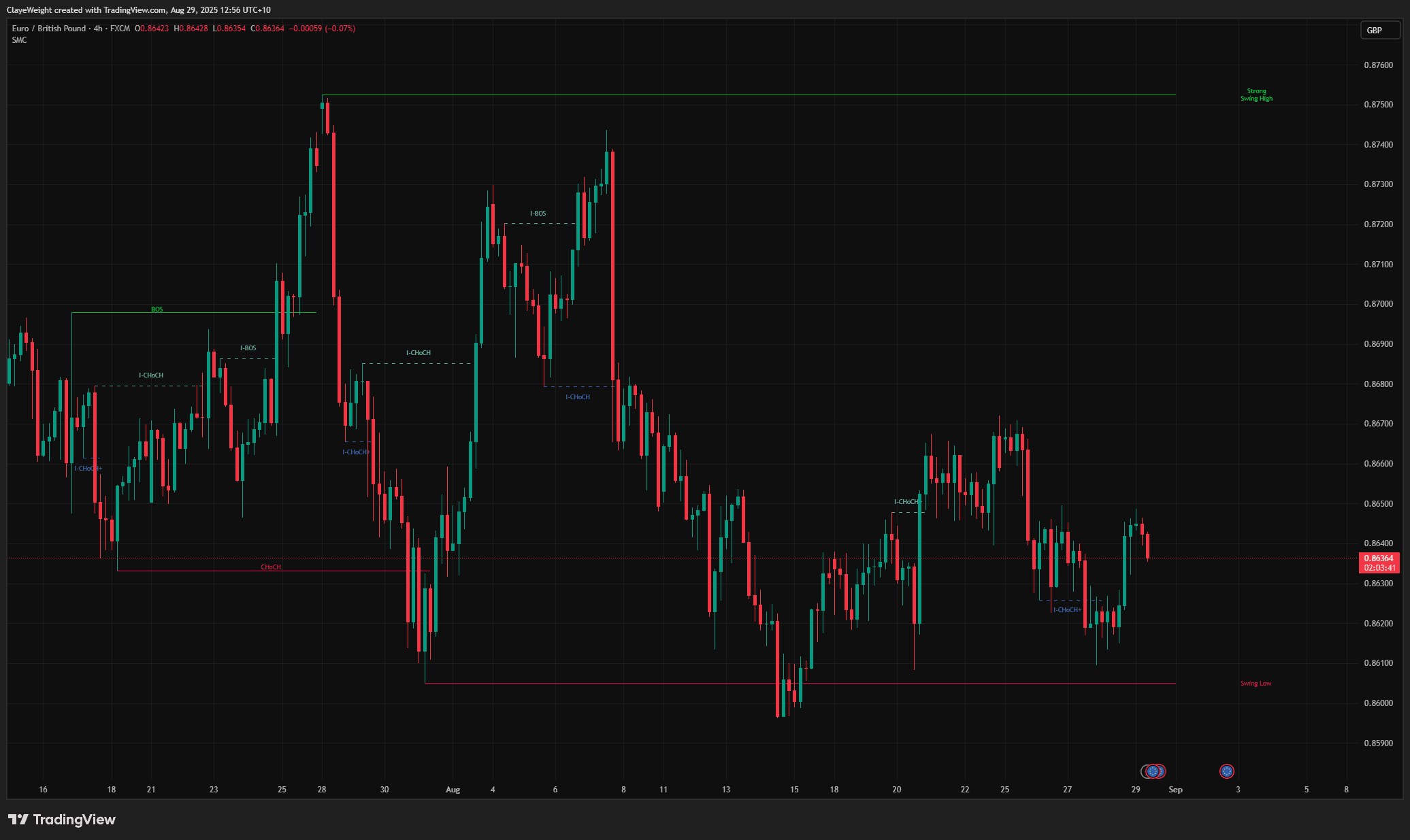
Automatically maps swing highs and lows with break of structure detection.
 Pro
ProSMC Market Structure Pro
Advanced Smart Money Concepts with internal and swing structure mapping.
 Free
FreeAdvanced Order Blocks with Volume
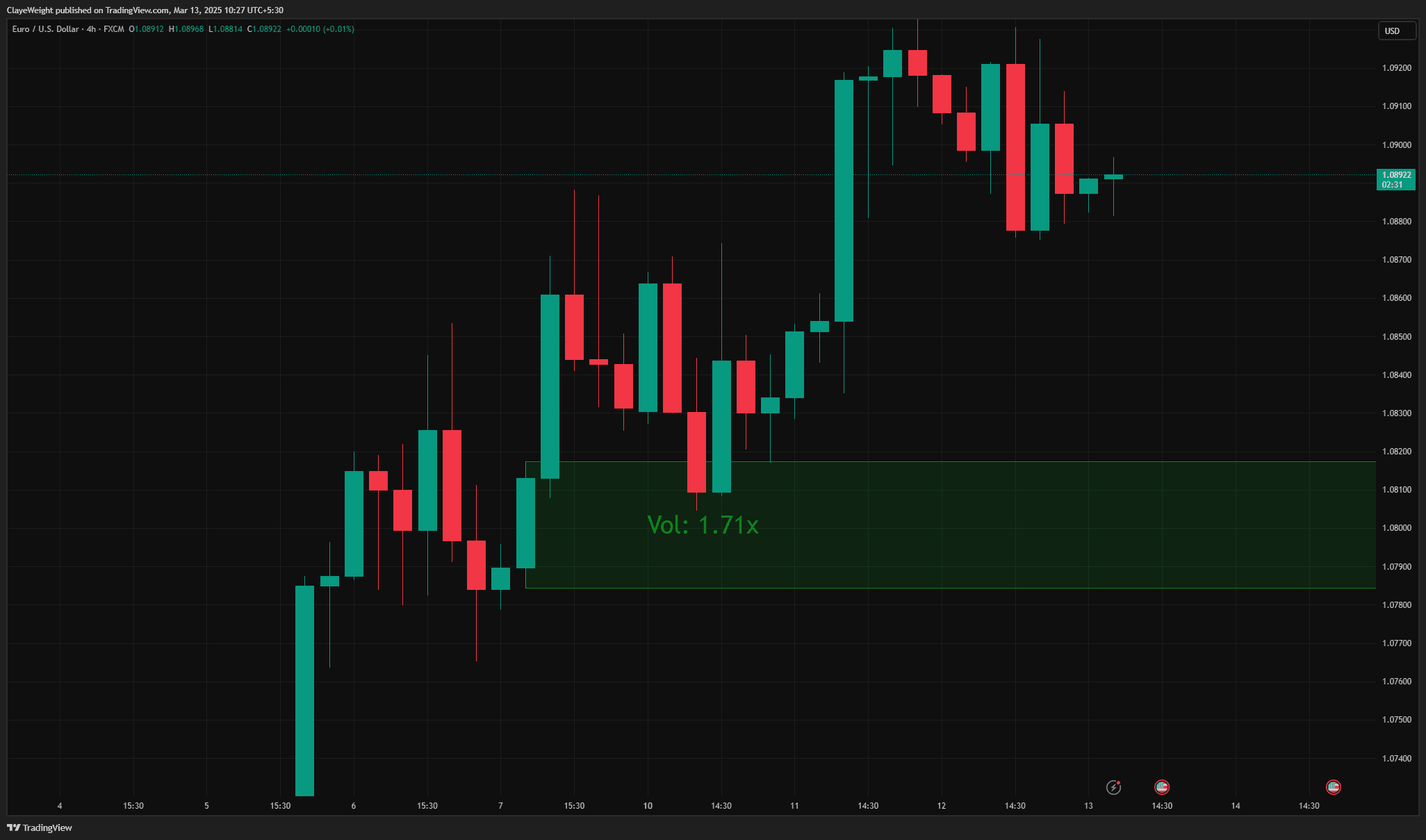
A professional-grade indicator that combines order block detection with sophisticated volume analysis.
Get access to all 23+ scripts
Full source code, alert templates, and the perfect base to build on with HorizonAI. Join 10,000+ traders.